
 Post by

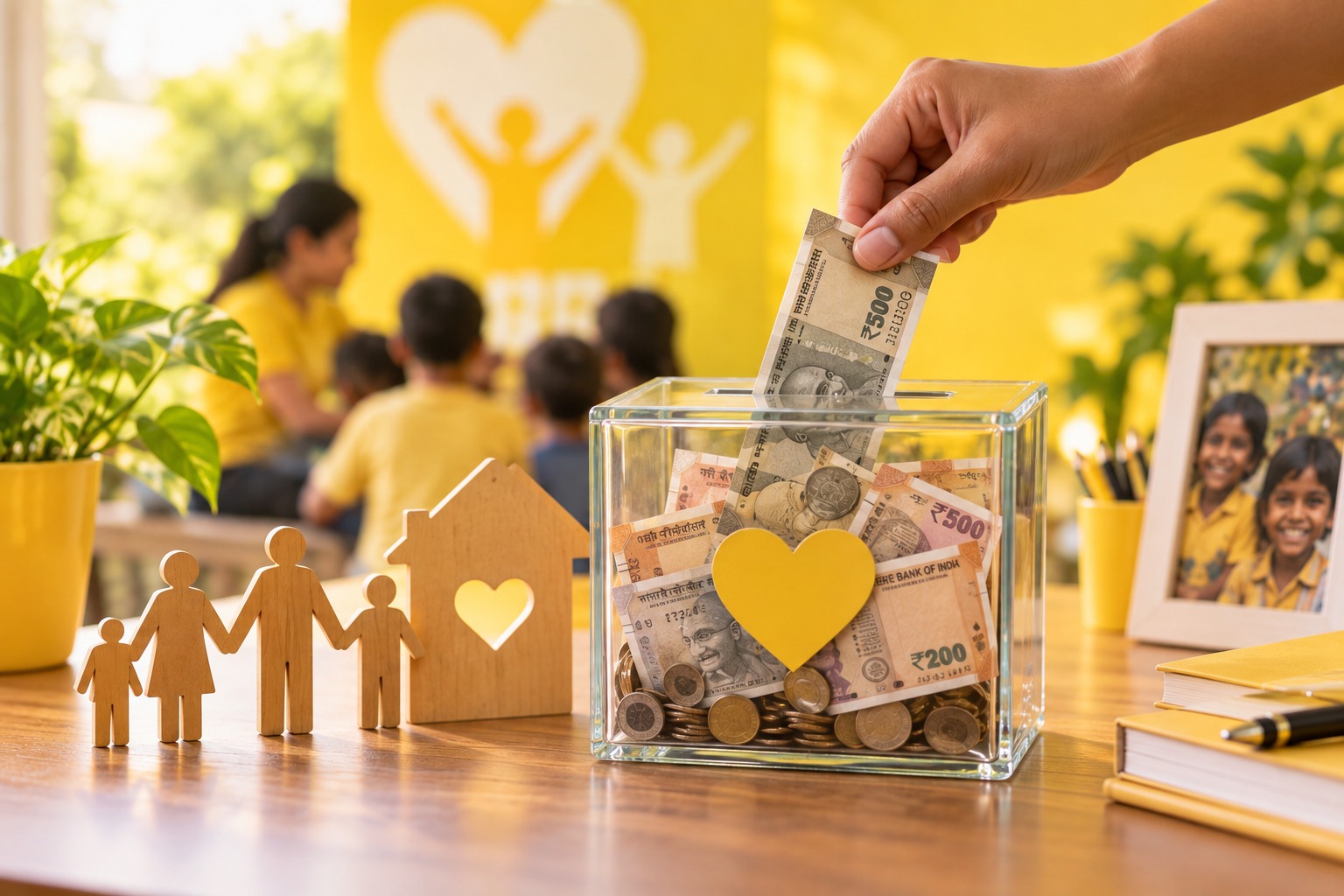
A one-time donation can help an NGO address an immediate need, but recurring donations can provide supporters with a simple way to contribute regularly. For charitable organisations, this can create an opportunity to build longer-term donor relationships and develop a more consistent fundraising approach.
Creating a recurring donation campaign, however, involves more than adding a monthly donation option to a fundraising page. An NGO needs to decide what the campaign will support, who it is intended for, how donors will be approached, what information they should receive, and how contributions will be tracked.
A well-planned recurring donation campaign connects fundraising, donor management, communication, welfare projects, and reporting. This article explains how an NGO or charity can create such a campaign step by step.
What Is a Recurring Donation Campaign?
A recurring donation campaign is a fundraising campaign that encourages supporters to make contributions on a regular schedule, such as monthly, rather than making only a one-time donation.
For example, an NGO could invite supporters to make a monthly contribution toward an education-support programme, healthcare initiative, food-support activity, or community development project.
The campaign should make three things clear to potential donors:
- What the organisation is trying to achieve
- Why recurring support is useful
- How the donor can participate
The exact donation amount, frequency, and campaign structure can vary depending on the organisation and its fundraising model.
Why Should NGOs Create Recurring Donation Campaigns?
Recurring donation campaigns can help NGOs build ongoing relationships with supporters and create a structured approach to fundraising.
Instead of approaching a donor only when a new campaign begins, an organisation can give supporters an opportunity to contribute regularly.
A recurring campaign can help an NGO:
- Build a base of regular supporters
- Encourage longer-term donor relationships
- Plan fundraising activities more systematically
- Communicate regularly with supporters
- Track recurring contributions
- Connect fundraising with ongoing welfare projects
- Understand changes in donor participation over time
Recurring donations should not be treated as guaranteed income. Donor commitments can change, payments can fail, and supporters may stop contributing. Good campaign planning therefore includes regular monitoring.
How Do You Create a Recurring Donation Campaign?
Creating a recurring donation campaign involves defining the purpose, audience, donation structure, communication plan, tracking process, and reporting approach.
A practical process can be divided into the following steps.
Step 1: Define the Purpose of the Campaign
Start with a clear purpose.
Instead of simply asking people to “donate monthly,” explain what the campaign is intended to support.
For example:
“Support our ongoing education programme through a monthly contribution.”
The campaign might support:
- Education programmes
- Healthcare assistance
- Food distribution
- Community development
- Elderly support
- Emergency assistance
- Skill-development activities
- Local welfare initiatives
A clear purpose helps donors understand what they are supporting.
How Should an NGO Choose a Recurring Donation Goal?
An NGO should choose a recurring donation goal that is connected to a real organisational need.
For example, a community organisation may be running an ongoing education-support programme. Rather than setting an arbitrary fundraising target, the organisation can first understand its planned activities, resources, and funding requirements.
The campaign goal could then be communicated around supporting the programme over time.
Before setting a goal, consider:
- What welfare activity needs continuing support?
- What resources are required?
- What funding is already available?
- What additional support is needed?
- How will the organisation communicate progress?
- How will contributions be recorded and reviewed?
The goal should be realistic and aligned with the organisation’s actual work.
How Can an NGO Identify the Right Donors for a Recurring Campaign?
An NGO can begin by looking at its existing supporter community before searching for completely new donors.
Potential audiences may include:
- Existing one-time donors
- Long-term supporters
- Volunteers
- Community members
- Previous campaign supporters
- Corporate or institutional contacts where appropriate
- People who have expressed interest in a particular welfare programme
Not every donor will want to make recurring contributions. The purpose of audience segmentation is to make communication more relevant rather than sending the same request to everyone.
For example, someone who previously supported an education programme may be more interested in receiving an invitation to support that programme regularly.
What Should a Recurring Donation Campaign Message Include?
A strong campaign message should be simple, specific, and honest.
It should explain:
The need
What issue or community need is the organisation addressing?
The work
What is the NGO actually doing?
The role of recurring support
Why would regular contributions be useful for this work?
The donation process
How can a supporter sign up?
The ongoing relationship
What type of updates or communication can donors expect?
Avoid making promises about outcomes that the organisation cannot guarantee.
The message should focus on the organisation’s real work rather than using exaggerated emotional appeals.
How Can NGOs Make Recurring Donation Options Easy to Understand?
Donors should not have to search through a complicated process to understand how recurring giving works.
A campaign page or communication should make the important information easy to find:
- Donation frequency
- Available contribution options
- Purpose of the campaign
- Organisation information
- Payment process
- Contact information
- Relevant terms or conditions
- Information about donor communication
If different recurring contribution levels are offered, explain what each level represents without suggesting that a particular amount guarantees a particular individual outcome unless that relationship can genuinely be supported.
Should NGOs Offer Different Monthly Donation Amounts?
Offering several contribution options can make a recurring campaign easier for donors to consider.
For example, a campaign could present different monthly contribution levels and allow donors to select the amount that suits them.
The important principle is flexibility.
An organisation should avoid making supporters feel that only a large contribution is meaningful. Small recurring contributions can also form part of a broader donor community.
The organisation can also provide a custom amount option where its donation system allows it.
How Can an NGO Promote a Recurring Donation Campaign?
A recurring campaign can be communicated through channels that the organisation already uses to engage its supporters.
These may include:
- Website
- Social media
- Community events
- Donor conversations
- Messaging platforms
- Volunteer networks
- Campaign pages
The communication should remain consistent across channels.
For example, the same campaign should have a clear purpose whether a supporter discovers it through a social media post, email, website page, or direct conversation.
Can NGOs Use WhatsApp to Promote Recurring Donation Campaigns?
Yes, NGOs can use messaging platforms such as WhatsApp to communicate campaign information with supporters, provided their communication practices respect applicable consent, privacy, and platform requirements.
WhatsApp can be useful for:
- Sharing campaign updates
- Sending information to interested supporters
- Communicating project progress
- Reminding supporters about campaign activities
- Maintaining donor relationships
However, messaging should not become repetitive or intrusive.
A recurring donor relationship should involve useful communication rather than a continuous stream of donation requests.
How Should NGOs Track Recurring Donors?
NGOs should maintain an organised record of recurring donors, their contribution history, campaign association, and relevant communication.
A recurring donor record may include:
- Donor name
- Contact information
- Contribution amount
- Contribution frequency
- Start date
- Contribution history
- Current status
- Campaign or project supported
- Communication history
The organisation should also distinguish between an active recurring commitment and an actual contribution received.
This distinction becomes important when payments fail, donors pause contributions, or recurring arrangements end.
What Should NGOs Do When a Recurring Payment Fails?
A failed payment should be treated as a donor-management issue rather than simply as a missing transaction.
The organisation can:
- Record the failed contribution.
- Check whether another attempt is expected through its payment process.
- Communicate appropriately with the donor when necessary.
- Update the donor’s contribution status.
- Avoid treating the missed amount as confirmed income.
- Review whether the donor needs assistance with the recurring arrangement.
The communication should be respectful. A failed payment does not necessarily mean that a donor has chosen to stop supporting the organisation.
How Can NGOs Keep Recurring Donors Engaged?
Recurring donors should hear about the work they are helping to support.
Useful donor communication can include:
- Project updates
- Stories about programme activities
- Progress reports
- Photos or videos where appropriate and responsibly collected
- Community updates
- Impact information
- Organisational developments
- Periodic fundraising updates
The exact communication schedule should depend on the organisation and its supporters.
The key is relevance. Donors should receive meaningful information rather than being contacted only when the organisation wants another donation.
How Can Transparency Strengthen a Recurring Donation Campaign?
Transparency helps donors understand how an organisation operates and how its work is progressing.
A recurring campaign should communicate clearly about:
- The purpose of the campaign
- The welfare activities involved
- Progress made
- Challenges where appropriate
- How contributions are being managed
- What the organisation plans to do next
Transparency is also useful internally. When an NGO maintains organised information about donations, projects, beneficiaries, and reporting, its teams can make better-informed operational decisions.
What Are Common Mistakes in Recurring Donation Campaigns?
Several avoidable problems can weaken a recurring donation campaign.
1. Having no clear purpose
A campaign that simply asks for monthly donations without explaining the underlying work may be difficult for supporters to understand.
2. Making unrealistic promises
An NGO should not promise specific results that cannot be reliably delivered.
3. Failing to track donor status
If the organisation does not know which recurring donors are active, paused, or inactive, its fundraising records can quickly become unreliable.
4. Communicating only when asking for money
Donor relationships require ongoing communication and meaningful updates.
5. Keeping disconnected records
If donor information, contribution records, project information, and reports exist in completely separate places, staff may spend unnecessary time reconciling information.
6. Treating expected donations as confirmed funds
Recurring commitments can change. Operational planning should distinguish between anticipated and received contributions.
How Can NGOs Improve a Recurring Donation Campaign Over Time?
A recurring donation campaign should be reviewed regularly rather than launched once and left unchanged.
An NGO can periodically examine:
- Number of recurring donors
- New recurring donors
- Donors who stopped or paused contributions
- Expected recurring contributions
- Actual contributions received
- Campaign communication
- Donor engagement
- Project funding requirements
- Feedback from supporters
This review can help the organisation identify what needs to change.
For example, if supporters frequently ask the same questions before joining a recurring campaign, the campaign information may need to be clearer.
What Role Does Donor Management Play in Recurring Fundraising?
Donor management provides the organisational structure needed to maintain recurring donor relationships.
A fundraising team needs to know more than the total amount collected. It may also need to understand:
- Who the supporters are
- Which campaigns they support
- What contributions they have made
- Whether recurring commitments are active
- How the organisation has communicated with them
- Which donors may need follow-up
- How contributions relate to welfare activities
This is why recurring fundraising and donor management should work together.
How Can a Recurring Donation Campaign Connect With Welfare Projects?
A recurring campaign becomes more meaningful when its fundraising purpose is connected with actual welfare activities.
Imagine a community organisation running an education-support programme.
The organisation could structure its campaign around continuing support for that programme. It could then maintain records of:
Donors → Contributions → Funds → Education Project → Beneficiaries → Activities → Outcomes → Reporting
This creates a clearer connection between fundraising and welfare delivery.
The same principle can apply to healthcare assistance, food distribution, community development, or other ongoing programmes.
Why Is Welfare Governance Relevant to Recurring Fundraising?
Recurring fundraising is one part of a much larger welfare ecosystem.
An NGO needs to understand how resources move from supporters into actual welfare activities and how the results of those activities are documented and communicated.
This is where Welfare Governance becomes relevant.
Welfare Governance can be understood as the structured management of an organisation’s welfare activities, resources, people, projects, beneficiaries, accountability, reporting, and impact.
From this perspective, the process is:
Donors → Contributions → Funds → Welfare Projects → Beneficiaries → Outcomes → Reporting → Continued Support
A recurring donation campaign therefore should not be viewed only as a payment mechanism. It can be part of a broader system connecting fundraising with welfare management and accountability.
How Can Technology Help Manage Recurring Donation Campaigns?
Technology can help NGOs organise the information generated by recurring fundraising.
Depending on the organisation’s needs, a digital system may help teams manage areas such as:
- Donor information
- Contribution records
- Fundraising campaigns
- Project information
- Beneficiary records
- Communication
- Reporting
- Operational coordination
The objective is not to introduce technology for its own sake. The system should make it easier for teams to access reliable information and connect fundraising activities with the organisation’s welfare work.
For smaller organisations, even a simple, well-structured digital process can be a significant improvement over scattered records.
What Is a Simple Recurring Donation Campaign Workflow?
A charity can use the following workflow as a starting point:
1. Choose the welfare purpose
Identify the programme or ongoing activity that the campaign will support.
2. Define the target audience
Identify existing and potential supporters who may be interested in recurring giving.
3. Create the campaign message
Explain the need, the organisation’s work, and the role of recurring support.
4. Set up the donation process
Make recurring contribution options easy to understand and use.
5. Record donor information
Maintain an organised donor record from the beginning.
6. Monitor contributions
Track expected and actual recurring contributions.
7. Communicate regularly
Provide meaningful updates about the relevant work.
8. Review the campaign
Use donor and contribution information to improve future fundraising.
This creates a repeatable process that can evolve as the organisation grows.
Frequently Asked Questions
What is a recurring donation campaign?
A recurring donation campaign encourages supporters to make donations on a regular schedule, such as monthly, instead of contributing only once.
How can an NGO start a recurring donation campaign?
An NGO can start by identifying a clear welfare purpose, defining its target audience, creating a simple campaign message, setting up recurring donation options, and establishing a process for tracking and communicating with donors.
What should a recurring donation campaign include?
A campaign should clearly explain the organisation’s purpose, the welfare activity being supported, the role of recurring donations, how supporters can participate, and how the organisation will communicate relevant updates.
How do NGOs manage recurring donors?
NGOs can manage recurring donors by maintaining organised records of donor information, contribution commitments, payment history, campaign participation, and communication.
How can charities retain recurring donors?
Charities can support long-term donor relationships through meaningful communication, transparent reporting, accurate contribution tracking, and regular updates about their welfare activities.
Can WhatsApp be used for recurring donation campaigns?
Yes. NGOs can use WhatsApp to communicate campaign information and updates with supporters, provided they follow appropriate consent, privacy, and platform requirements.
What happens when a recurring donation fails?
The NGO should record the failed contribution, distinguish it from confirmed income, follow its payment process, and communicate appropriately with the donor if necessary.
How does technology support recurring fundraising?
Technology can help organisations organise donor records, contribution information, fundraising campaigns, project data, communication, and reporting within a more structured workflow.
How NidhiMax Can Help
Creating a recurring donation campaign is only the beginning. As the campaign grows, the organisation needs a reliable way to understand its donors, contributions, fundraising activities, welfare projects, and reporting.
NidhiMax — Welfare Governance Platform is designed to help charitable organisations, NGOs, trusts, community organisations, and welfare institutions move toward a more organised digital welfare-management ecosystem.
For organisations exploring a more structured approach, a welfare governance platform can help bring relevant areas of welfare operations into a connected framework, including fundraising management, donor management, contribution tracking, welfare projects, communication, reporting, transparency, and accountability where those capabilities fit the organisation’s requirements.
Every NGO has its own programmes, processes, teams, and priorities. Technology should therefore support those actual processes rather than force an organisation into an unsuitable model.