 Post by

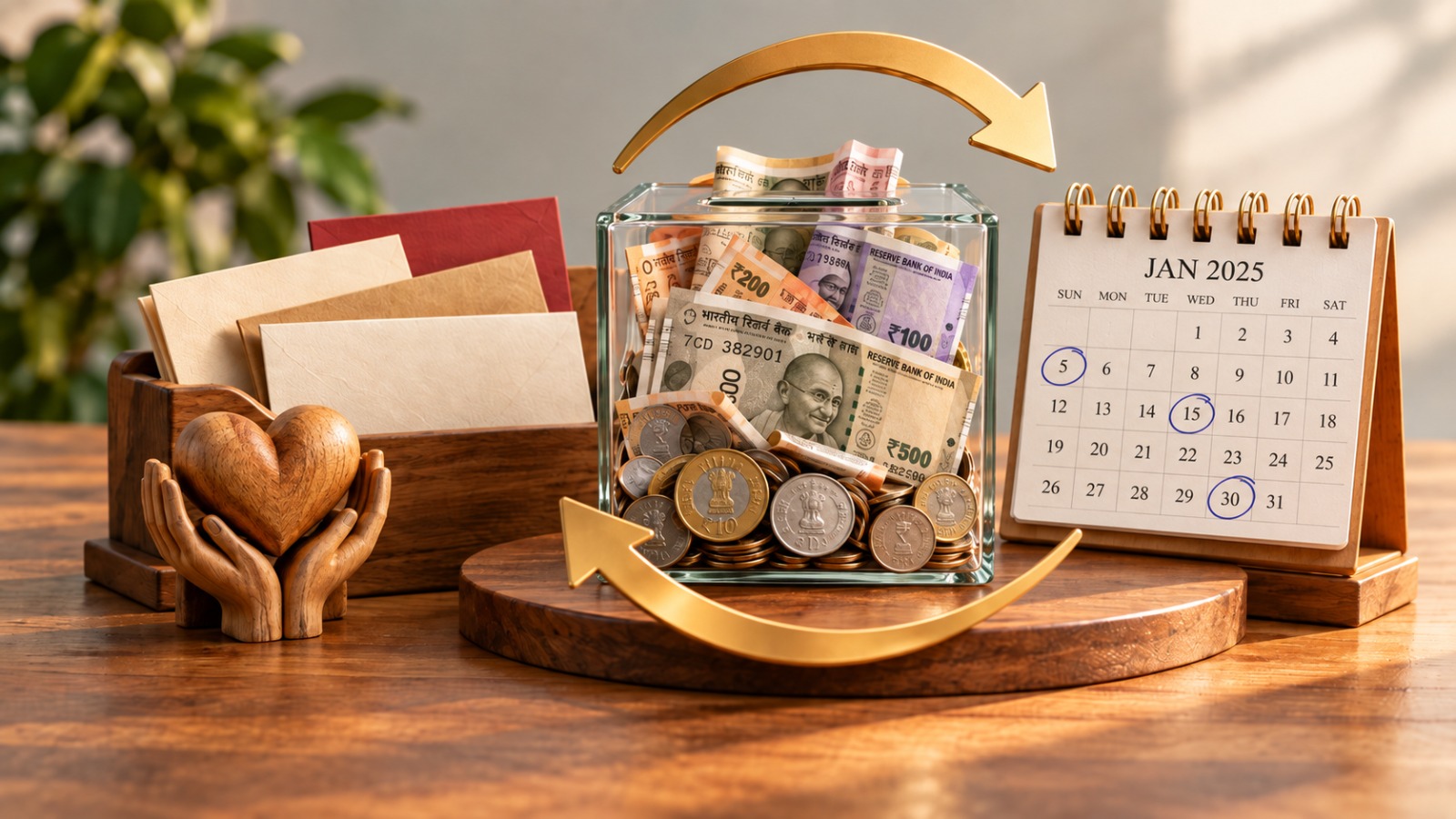
Recurring charity donations can give an NGO a more consistent relationship with its supporters. Instead of relying entirely on occasional fundraising campaigns, a charity can build a group of donors who choose to contribute regularly.
However, managing recurring donations involves much more than setting up a payment option. An organisation needs to keep accurate donor records, monitor contributions, communicate with supporters, handle changes or interruptions, maintain transparency, and connect incoming funds with the welfare activities they support.
For a charity administrator or fundraising team, the challenge is often practical: How do you manage recurring donations efficiently while keeping donors informed and maintaining accountability?
A structured approach can make the process easier. This guide explains how NGOs, charitable trusts, foundations, community organisations, and welfare institutions can manage recurring charity donations effectively.
What Are Recurring Charity Donations?
Recurring charity donations are contributions that a donor agrees to make repeatedly according to a chosen schedule, such as monthly or another agreed frequency.
Unlike a one-time donation, recurring giving creates an ongoing financial relationship between the donor and the charitable organisation.
For an NGO, recurring donations may support continuing activities such as:
- Education programmes
- Healthcare assistance
- Food distribution
- Community development
- Welfare projects
- Emergency support
- Beneficiary assistance
- Ongoing operational activities related to welfare delivery
The exact use of funds should be communicated according to the organisation’s fundraising purpose and donor commitments.
Why Is It Important to Manage Recurring Donations Properly?
Recurring donations need organised management because each contribution is part of a continuing donor relationship. Poor record-keeping can lead to missed follow-ups, inaccurate contribution histories, confusing communication, and difficulty understanding the financial support available to welfare programmes.
Effective recurring donation management helps an organisation:
- Maintain accurate donor information
- Track contribution history
- Identify successful and interrupted contributions
- Communicate with donors appropriately
- Plan fundraising activities more effectively
- Connect funds with relevant welfare projects
- Prepare clearer internal reports
- Strengthen transparency and accountability
- Improve the overall donor experience
The objective is not simply to process payments. It is to manage the relationship and the information surrounding recurring support.
How Can a Charity Set Up a Recurring Donation System?
A charity can set up recurring giving by defining the programme, selecting appropriate donation and payment processes, clearly explaining the arrangement to donors, and establishing an internal process for tracking contributions and communicating with supporters.
Before launching the programme, an organisation should decide:
1. What is the purpose of recurring giving?
Define why the organisation wants recurring support and which areas of its work it is intended to support.
2. Who is the programme intended for?
The organisation may invite existing donors, supporters, volunteers, community members, or other people who understand its mission.
3. What contribution options should be available?
Keep the options simple and appropriate for the organisation’s supporter base.
4. How will recurring contributions be recorded?
Establish a consistent method for maintaining donor and contribution information.
5. How will donors receive updates?
Decide how and when supporters will receive confirmations, programme updates, reports, or other relevant communication.
6. How will changes be handled?
The organisation should have a clear internal process for handling changes, interruptions, cancellations, or donor requests.
A good recurring donation system begins with operational clarity rather than technology alone.
What Information Should NGOs Track for Recurring Donors?
NGOs should maintain organised donor and contribution information that helps them manage recurring relationships accurately and responsibly.
Depending on the organisation’s needs, useful information may include:
- Donor name
- Contact information
- Donation frequency
- Contribution amount
- Date recurring support began
- Relevant fundraising campaign or programme
- Contribution history
- Communication preferences
- Donor interactions
- Status of recurring support
- Follow-up notes
- Relevant acknowledgements or reports
The organisation should only collect information it genuinely needs and should manage donor information responsibly.
Keeping this information organised becomes particularly important as the number of recurring donors grows.
How Can NGOs Track Recurring Contributions?
NGOs can track recurring contributions by maintaining a consistent donor record and regularly reconciling expected contributions with actual contribution records.
A simple tracking process can include:
Donor → Recurring commitment → Expected contribution → Received contribution → Record updated → Donor communication → Fund allocation/reporting
This makes it easier for the fundraising or finance team to identify discrepancies and follow up when necessary.
For example, suppose a donor has chosen to provide recurring support for an education programme. The organisation should be able to identify the donor’s commitment, record contributions as they are received, and connect the relevant information with the programme’s reporting and communication processes.
Tracking should be systematic rather than dependent on one staff member remembering individual donor arrangements.
How Should Charities Handle Failed or Interrupted Recurring Donations?
Charities should have a clear, respectful process for handling failed or interrupted recurring contributions. A failed contribution does not necessarily mean that a donor has decided to stop supporting the organisation.
Possible reasons can include:
- Payment method changes
- Expired payment details
- Temporary account issues
- Changes requested by the donor
- Technical problems
- A deliberate cancellation
The organisation should avoid assuming the reason.
A practical process could be:
- Identify the interrupted contribution.
- Check the donor record.
- Follow the organisation’s established communication process.
- Inform the donor appropriately if follow-up is needed.
- Give the donor a clear way to update or change their support.
- Record the outcome.
- Update the recurring donation status.
Communication should be helpful rather than pressuring the donor to continue.
How Can Donor Communication Improve Recurring Donation Management?
Regular and relevant communication helps recurring donors understand the organisation’s work and remain connected to the cause they support.
A recurring donor should not hear from an NGO only when another donation is requested.
Useful communication can include:
- Thank-you messages
- Programme updates
- Welfare project progress
- Beneficiary stories where appropriate
- Activity reports
- Volunteer updates
- Milestones in a project
- Information about upcoming activities
- Periodic summaries of the organisation’s work
The communication frequency should suit the organisation and donor preferences.
The goal is to maintain a relationship, not fill the donor’s inbox.
What Should a Charity Tell Donors About Their Recurring Contributions?
A charity should clearly explain the purpose of recurring contributions and how supporters can understand or manage their ongoing relationship with the organisation.
Donors should be able to find relevant information about:
- What the recurring programme supports
- How often contributions are made
- How the donor can contact the organisation
- How updates are communicated
- How changes or cancellations can be requested
- What type of reporting or acknowledgement the organisation provides
Clear information helps reduce confusion and supports donor trust.
Where a donation is connected to a specific campaign or welfare project, the organisation should communicate the relationship accurately rather than making broader claims about impact than its records support.
How Can NGOs Connect Recurring Donations With Welfare Projects?
Recurring donations become more meaningful when an organisation can connect fundraising activity with the welfare work it supports.
Consider a community organisation running an education-support programme for 100 children.
Instead of treating recurring contributions as a separate financial activity, the organisation can establish a structured process:
Donors → Contributions → Education Programme → Beneficiaries → Activities → Outcomes → Reporting → Donor Communication
The fundraising team can track recurring supporters and contributions, while programme teams manage activities and beneficiary information.
The organisation can then communicate appropriate updates to donors about the work being supported.
This creates a clearer connection between fundraising and welfare delivery.
How Important Are Transparency and Accountability in Recurring Giving?
Transparency and accountability are important because recurring donors are maintaining an ongoing financial relationship with the organisation.
An NGO can strengthen transparency by providing appropriate information about:
- Welfare activities
- Programme progress
- Use of funds where relevant
- Organisational activities
- Beneficiary support
- Challenges
- Future plans
- Relevant reports
Transparency does not mean sending donors every internal document. It means providing clear, accurate information that helps supporters understand the organisation’s work.
Accountability also requires internal discipline. Donation information, project records, beneficiary information, and reports should be organised so that the organisation can explain how its activities are being managed.
How Can Donor Management Support Recurring Donations?
Donor management provides a structured way to organise supporter information, contribution history, communication, and follow-up.
For recurring giving, donor management can help an NGO answer questions such as:
- Who are our recurring donors?
- What contribution arrangements have they chosen?
- When did their recurring support begin?
- Which welfare programmes are associated with their support?
- When did we last communicate with them?
- Which recurring contributions require follow-up?
- Which donors have changed or stopped their support?
A donor management process should make information easier to understand and use.
It should not become another administrative burden for the fundraising team.
Should Recurring Donors Be Segmented?
Donor segmentation can help charities make communication more relevant. Instead of sending the same message to every supporter, an NGO can organise donors according to information that is genuinely useful for donor relationship management.
Possible categories could include:
- Monthly donors
- Long-term supporters
- First-time recurring donors
- Donors interested in a particular welfare programme
- Donors who prefer specific communication channels
- Donors who have recently changed their support
Segmentation should be practical and respectful. The purpose is to improve communication and donor management, not to treat supporters simply as fundraising categories.
How Can NGOs Improve the Recurring Donor Experience?
A good recurring donor experience should be simple, clear, respectful, and consistent.
From the donor’s perspective, the journey might look like:
Discover the cause → Understand the programme → Start recurring support → Receive confirmation → Stay informed → See progress → Continue supporting
Problems at any stage can affect the relationship.
For example, if the sign-up process is confusing, the donor may abandon it. If confirmation is unclear, the donor may wonder whether the contribution was recorded. If communication stops completely, the donor may feel disconnected.
NGOs should therefore review the full donor journey rather than focusing only on the donation transaction.
What Are the Common Challenges of Managing Recurring Donations?
Common challenges include inaccurate donor records, inconsistent communication, difficulty tracking contribution status, disconnected fundraising and programme information, and dependence on manual processes.
1. Scattered donor information
Records may exist across spreadsheets, email conversations, documents, or individual staff records.
2. Inconsistent follow-up
Without a clear process, some donors may receive regular updates while others receive very little communication.
3. Difficulty tracking changes
Donors may change their contribution arrangements, contact details, or communication preferences.
4. Limited visibility
The organisation may know that donations are being received without having a clear view of how recurring support connects with welfare activities.
5. Manual reporting
Preparing donor and programme reports manually can become increasingly difficult as the organisation grows.
The solution is usually not to add more administrative work. It is to create a clearer process and use appropriate tools where they genuinely help.
What Are the Best Practices for Managing Recurring Charity Donations?
The best recurring donation practices combine accurate records, clear communication, donor care, transparent reporting, and consistent internal processes.
Keep donor records organised
Maintain a reliable source of information for donor details and contribution history.
Track contribution status
Distinguish between active recurring support, interrupted contributions, changed arrangements, and ended support.
Communicate consistently
Create a realistic communication schedule and follow it.
Make donor support easy to understand
Clearly explain what the programme is and how recurring contributions relate to the organisation’s work.
Respect donor preferences
Avoid unnecessary communication and make appropriate use of donor preferences.
Connect fundraising with welfare delivery
Where appropriate, connect contributions with welfare projects, beneficiaries, activities, and reporting.
Review the donor journey
Regularly identify points where donors may experience confusion or unnecessary friction.
Protect donor information
Use responsible internal practices for storing and accessing donor data.
Keep reporting accurate
Reports should reflect information that the organisation can reasonably support through its records.
How Can Technology Help Manage Recurring Charity Donations?
Technology can help charities organise recurring donor information, contribution tracking, fundraising activities, communication, welfare projects, and reporting.
For example, a digital welfare-management system can help an organisation bring related information into a more structured environment instead of maintaining disconnected records.
Relevant areas can include:
- Donor management
- Contribution tracking
- Fundraising management
- Welfare project management
- Beneficiary information
- Donor communication
- Reporting
- Transparency
- Accountability
- Operational coordination
Technology should be selected according to the organisation’s actual processes. A small community organisation may have different requirements from a large charitable trust or foundation.
The objective should be better organisation and visibility, not technology for its own sake.
How Does Recurring Donation Management Fit Into Welfare Governance?
Recurring donation management is one part of a larger welfare governance process.
The broader relationship can be understood as:
Donors → Contributions → Funds → Welfare Projects → Beneficiaries → Outcomes → Reporting → Continued Support
This shows why fundraising should not be managed completely separately from programme delivery.
Welfare Governance refers to the structured management of an organisation’s welfare activities, resources, people, projects, beneficiaries, accountability, reporting, and impact.
From this perspective, recurring donations are one part of a wider system.
A charity needs to understand:
- Where support comes from
- What contributions are received
- Which welfare activities they support
- Who the beneficiaries are
- What activities are being delivered
- What information is available about outcomes
- How progress is reported
- How supporters remain connected
This broader view can help an organisation move from simply managing donations to managing the complete welfare ecosystem around them.
What Should an NGO Review Each Month?
A monthly review can help an NGO identify issues early and improve its recurring donation programme.
The review could cover:
Donor records
Are contact details and donor information up to date?
Contributions
Were expected recurring contributions received and recorded appropriately?
Exceptions
Were there interrupted, changed, or cancelled contributions that require attention?
Communication
Did donors receive the planned updates?
Welfare projects
Are fundraising activities connected to the relevant programmes?
Reporting
Is the organisation maintaining the information needed for internal and donor reporting?
Feedback
Have donors raised questions or concerns that need to be addressed?
A simple monthly review can help prevent small administrative problems from becoming larger relationship problems.
A Practical Example of Recurring Donation Management
Imagine a charitable trust supporting healthcare assistance in a local community.
The trust has a group of supporters who contribute regularly.
Instead of managing each donor separately through different spreadsheets and messages, the organisation establishes a structured process.
First, it maintains donor profiles and recurring contribution information.
Next, incoming contributions are recorded against the appropriate donor records.
The fundraising team can then monitor the recurring donor base and identify any contributions requiring follow-up.
The programme team maintains information about welfare activities and beneficiaries.
The organisation periodically prepares appropriate updates describing its healthcare assistance activities.
The donor communication team shares relevant information with supporters.
This creates a connected operational flow:
Supporter → Contribution → Fund Management → Healthcare Welfare Activity → Beneficiary → Programme Information → Reporting → Supporter Communication
The exact process will vary by organisation, but the principle remains the same: information should flow clearly between fundraising and welfare delivery.
How Can Charities Build a Sustainable Recurring Donation Process?
A sustainable recurring donation process depends on consistency rather than complexity.
Start with a manageable system that covers the essential needs:
- Maintain accurate donor records.
- Record recurring commitments clearly.
- Track actual contributions.
- Establish a process for interruptions and changes.
- Communicate regularly.
- Connect fundraising with welfare projects.
- Maintain appropriate reporting.
- Review the process regularly.
- Improve based on donor and staff feedback.
As the organisation grows, its processes and technology can develop with it.
The important thing is to avoid building a recurring donation programme that the organisation cannot manage consistently.
What Should Charities Avoid When Managing Recurring Donations?
Charities should avoid treating recurring donations as automatic income that requires no further attention.
Common mistakes include:
- Keeping incomplete donor records
- Relying entirely on manual tracking
- Sending repetitive fundraising requests
- Failing to acknowledge recurring support
- Not following up on contribution interruptions
- Providing unclear information about the programme
- Separating fundraising records completely from welfare programme information
- Collecting unnecessary donor data
- Making unsupported claims about impact
- Ignoring donor questions or preferences
A recurring donor relationship requires ongoing attention.
The stronger the internal process, the easier it becomes for staff to provide a consistent donor experience.
Building a Better Recurring Donation Management System
Recurring charity donations can provide an important foundation for ongoing fundraising, but their value depends on how well the organisation manages the complete process.
A charity needs more than a way to receive recurring contributions. It needs a system for managing donor relationships, contribution information, welfare projects, beneficiaries, communication, reporting, transparency, and accountability.
When these areas are connected, the organisation can better understand the journey from supporter contribution to welfare activity and reporting.
That is the broader role of Welfare Governance: creating a structured way to manage the organisation’s welfare ecosystem rather than treating each activity as a separate task.
Frequently Asked Questions
How do charities manage recurring donations?
Charities manage recurring donations by maintaining accurate donor records, tracking contribution history and status, communicating with donors, handling interruptions or changes, and connecting contributions with relevant fundraising and welfare activities.
What information should an NGO track for recurring donors?
An NGO may track donor details, contribution amount and frequency, start date, contribution history, communication preferences, relevant programmes, and the status of recurring support.
How can NGOs track recurring donations?
NGOs can use an organised donor-management process to record recurring commitments, monitor received contributions, identify interruptions, and maintain up-to-date donor records.
How should charities handle failed recurring donations?
Charities should identify the interrupted contribution, check the donor record, communicate appropriately when follow-up is needed, and provide a clear process for updating or changing the recurring support.
Why is transparency important for recurring donations?
Transparency helps donors understand the organisation’s welfare activities and how their ongoing support relates to the work being carried out.
How can technology help manage recurring charity donations?
Technology can help organise donor information, contribution tracking, fundraising, communication, welfare projects, reporting, and other operational information in a more structured way.
How can donor management improve recurring fundraising?
Donor management gives NGOs a structured way to maintain supporter information, contribution history, communication records, preferences, and follow-up activities.
What is Welfare Governance in charity management?
Welfare Governance is the structured management of an organisation’s welfare activities, resources, people, projects, beneficiaries, accountability, reporting, and impact.
How NidhiMax Can Help
Managing recurring donations effectively requires more than recording payments. Charitable organisations need a clear connection between donors, contributions, welfare projects, beneficiaries, communication, and reporting.
NidhiMax — Welfare Governance Platform is designed to help charitable organisations, NGOs, trusts, community organisations, and welfare institutions move toward a more organised digital welfare-management ecosystem.
For organisations managing recurring support, a structured approach can bring relevant areas such as fundraising management, donor management, contribution tracking, welfare project management, communication, reporting, transparency, and accountability into a more connected workflow.
Every welfare organisation has its own programmes, processes, teams, and operational requirements. Technology should therefore support those real processes rather than create unnecessary complexity.