 Post by
For many NGOs and charitable organisations, fundraising depends on personal contacts, local supporters, occasional events, and repeated appeals for donations. These approaches can be valuable, but they may become difficult to manage as an organisation grows and tries to reach new supporters.
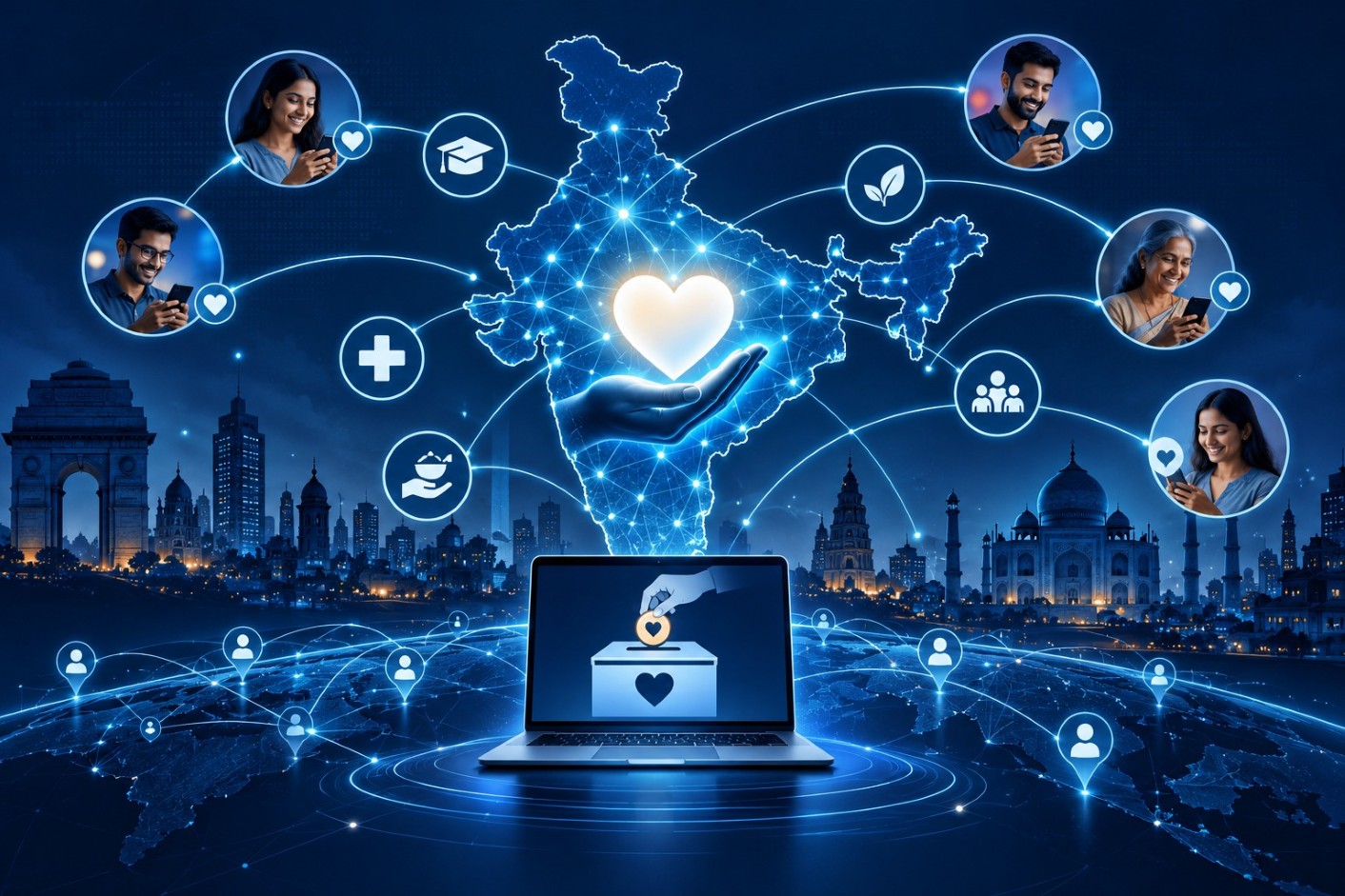
Building a digital donor network offers a more organised way to connect with people who care about a cause. Through websites, email, WhatsApp, social media, online donation pages, and donor management tools, NGOs can introduce their work to potential supporters, maintain relationships with existing donors, and communicate progress over time.
However, a digital donor network is much more than a list of email addresses or telephone numbers. It is a community of supporters who understand an organisation’s mission, have suitable ways to stay connected, and can choose how they wish to contribute.
For Indian NGOs, charitable trusts, foundations, and community organisations, the goal should be to build relationships that are trustworthy, meaningful, and sustainable. This guide explains how to create that network, manage donor information responsibly, encourage continued engagement, and connect donor relationships with real welfare outcomes.
What Is a Digital Donor Network?
A digital donor network is a group of current and potential supporters whom a charitable organisation connects with and manages through digital channels. It may include individual donors, recurring contributors, former supporters, volunteers, community members, professionals, and other people interested in the organisation’s work.
A donor network is different from a donor database. A database stores relevant information about supporters, while a network includes the relationships, communication, shared interests, and opportunities for engagement that connect those people to the organisation.
For example, an NGO supporting children’s education may use a website to introduce its work, email to share programme updates, WhatsApp to communicate with supporters who have agreed to receive messages, and a donor management system to record contributions and follow-ups.
Together, these activities help the organisation maintain an ongoing relationship with supporters rather than contacting them only when money is needed.
A useful digital donor network has four foundations:
- Visibility: People can discover the organisation and understand its mission.
- Trust: Supporters can find accurate information about its work and use of funds.
- Connection: The organisation communicates regularly and respectfully.
- Organisation: Donor records, contributions, and follow-up activities are managed consistently.
Why Should NGOs in India Build a Digital Donor Network?
A digital donor network can help an NGO maintain relationships with existing supporters while introducing its work to people beyond its immediate community. It also gives the organisation a structured way to communicate, acknowledge contributions, and learn what motivates donor engagement.
Some practical benefits include the following.
1. Reach Supporters Beyond the Local Community
A community organisation may initially receive donations from neighbourhood residents and personal contacts. With a clear online presence, it can also introduce its work to alumni, professionals, former volunteers, and interested supporters in other cities.
Digital visibility does not guarantee new donors, but it can make the organisation easier to discover and learn about.
2. Develop Long-Term Donor Relationships
When communication happens only during fundraising campaigns, supporters may hear from the organisation only when money is needed.
A digital network allows NGOs to share project updates, explain challenges, acknowledge help, and invite supporters to participate in suitable activities between campaigns. These interactions can help supporters understand the organisation’s work over time.
3. Improve Donor Record-Keeping
A structured digital process can reduce dependence on scattered notebooks, spreadsheets, and individual team members’ messaging histories.
It can help authorised team members locate relevant information, check acknowledgement status, understand previous interactions, and avoid unnecessary duplicate messages.
4. Encourage Referrals and Community Participation
Supporters may introduce an NGO to friends, colleagues, professional networks, or community groups. They may also help share a campaign, volunteer their skills, or introduce potential institutional supporters.
These connections are most useful when people understand the organisation’s work and are comfortable recommending it.
5. Support More Predictable Fundraising
A connected network can make it easier to communicate recurring-donation options, announce planned campaigns, and understand which supporters wish to hear about particular activities.
However, a larger network does not automatically produce reliable funding. Sustainable fundraising still depends on donor trust, relevant engagement, responsible financial management, and the organisation’s ability to deliver its stated work.
How Can an NGO Build a Digital Donor Network Step by Step?
An NGO can build a digital donor network by defining its audience, establishing a credible online presence, creating appropriate ways for supporters to connect, maintaining accurate records, and following a consistent communication plan.
Step 1: Define the Cause and Intended Supporters
Begin by explaining what the organisation does and which welfare needs it addresses. A focused message makes it easier for potential supporters to understand whether the cause matters to them.
Next, identify the kinds of people who may be interested in the work. Depending on the organisation, these could include:
- Existing donors and former supporters.
- Local residents and community groups.
- Alumni and former volunteers.
- Professionals interested in the cause.
- Families and individuals connected to a welfare programme.
- Businesses or institutional supporters, where relevant.
- People who have discovered the organisation through online content.
These are possible audiences, not assumptions about who will donate. The organisation should learn from actual engagement and let people express their interests voluntarily.
Step 2: Establish a Credible Online Presence
Before inviting people into a donor network, make it easy for them to understand and verify the organisation.
A useful website or online profile should explain the organisation’s purpose, activities, contact information, and how supporters can learn more or contribute. Where applicable, include accurate organisational and registration information.
Campaign pages should describe the intended use of donations clearly. Use genuine project information and avoid overstating what a specific contribution can achieve.
Check that contact details are current, donation links work, and the organisation’s name is consistent across its online channels. A confusing or incomplete presence can make potential supporters hesitant.
Step 3: Create Clear Ways for People to Connect
Give interested people a straightforward way to stay informed. This might be an email subscription form, a contact form, a volunteer-interest form, an event registration, or an appropriate messaging channel.
Explain what people will receive when they sign up. For example, they may receive occasional welfare-project updates, event announcements, or fundraising appeals.
Avoid adding people to marketing lists simply because their telephone number or email address appears in an old contact file. Record communication preferences and respect requests to stop receiving messages.
The aim is to create a network people choose to join, not a contact list built without their knowledge.
Step 4: Choose a Small Number of Suitable Channels
An NGO does not need to be active on every digital platform. It should choose channels that suit its supporters and that the team can maintain consistently.
Digital channel | How an NGO can use it |
Website | Explain the mission, publish project updates, and provide verified contact or donation options. |
Send newsletters, project reports, campaign announcements, and acknowledgements where appropriate. | |
Share concise updates and links with people who have agreed to receive messages. | |
Social media | Introduce the cause, share activities, answer questions, and invite supporters to engage. |
Online events | Conduct project briefings, volunteer orientations, or supporter meetings. |
Donor management tools | Maintain relevant donor details, contribution records, preferences, and follow-up tasks. |
Start with one or two channels that the organisation can manage well. Expand only when there is a clear purpose and sufficient capacity.
Step 5: Organise Donor Information
As the network develops, maintain a reliable record of relevant supporter information. Depending on the organisation’s process, this may include:
- Donor name and appropriate contact details.
- Date and source of the initial contact.
- Campaigns or causes the person has expressed interest in.
- Verified contribution history.
- Communication preferences and relevant permission records.
- Acknowledgement or follow-up status.
- Notes needed to provide appropriate service or respond to enquiries.
Collect only information the organisation reasonably needs. Restrict access to authorised people and keep records accurate.
A small NGO may use a carefully controlled spreadsheet at first. If information grows or several team members need to work from the same records, a suitable donor management system may provide a more organised approach.
Step 6: Build a Consistent Communication Routine
A digital donor network stays useful when communication continues between fundraising campaigns. Create a manageable schedule for sharing meaningful updates.
For example, an NGO might send a monthly newsletter, publish progress updates during an active project, and share a summary after a campaign ends. The frequency should reflect the organisation’s activities and supporters’ preferences.
Each message should have a purpose. An update might explain a completed activity, a change in project plans, an upcoming volunteer opportunity, or a new funding requirement.
Avoid sending the same appeal repeatedly to every contact. Relevant communication is generally more useful than high message volume.
Step 7: Invite Supporters to Participate
Donations are one way to support a charitable organisation, but they are not the only one. Some supporters may prefer volunteering, sharing campaign information, offering professional skills, participating in an event, or introducing the organisation to others.
Give supporters appropriate options without pressuring them. A broader network of engaged people can help an NGO communicate its work and build relationships beyond immediate fundraising needs.
How Can NGOs Find New Donors Through Digital Channels?
NGOs can attract potential donors by publishing useful information about their work, making their online presence easy to discover, inviting voluntary sign-ups, and creating opportunities for existing supporters to share the cause.
Here are practical approaches to consider.
Publish Useful and Credible Content
Share information that helps people understand the problem the NGO is addressing and the response it is organising.
Useful content may include project explanations, activity updates, lessons from community work, volunteer experiences, and reports on completed initiatives. Use accurate information and obtain appropriate permission before sharing beneficiary stories or photographs.
The content should help people understand the organisation, not simply repeat requests for money.
Use Social Media With a Clear Purpose
Choose the platforms most relevant to the intended audience. Use them to explain the cause, answer common questions, announce activities, and direct interested people to the organisation’s website or other appropriate contact channel.
Review which posts generate meaningful enquiries, voluntary sign-ups, or relevant participation. Likes and views can offer clues about interest, but they are not a substitute for actual donor engagement.
Encourage Existing Supporters to Make Introductions
People who understand and trust an organisation may be willing to introduce it to others. Provide a simple, accurate explanation of the mission and an official page they can share.
For example, a volunteer may share an NGO’s education programme with colleagues who are interested in community development. Those colleagues can then decide whether they wish to learn more.
Do not pressure supporters to upload their contact lists or share other people’s details without permission.
Hold Online Briefings and Community Events
A short online session can allow interested people to hear about a programme, ask questions, and understand the organisation’s plans.
After the event, provide a suitable way for participants to request updates or learn about volunteering and donation options. Record attendance and follow-up preferences responsibly.
Build Relationships With Relevant Communities
Professional associations, alumni networks, local groups, and community organisations may offer opportunities to introduce a cause to people who share related interests.
Approach such connections respectfully. Explain the purpose of the collaboration and avoid implying an endorsement or partnership unless it has actually been agreed.
How Can NGOs Keep Donors Engaged Over Time?
NGOs can maintain donor engagement by acknowledging contributions, providing meaningful updates, respecting communication preferences, and making it easy for supporters to understand the results of their involvement.
Donor engagement should be based on the relationship, not just the timing of the next appeal.
Acknowledge support appropriately. Confirm receipt of donations through the organisation’s established process. Ensure that any receipt or tax-related statement is accurate and applicable.
Explain what has happened. Share the progress of the project the donor supported, including relevant activities, expenditure information, challenges, and next steps.
Communicate with care. Tailor messages to expressed interests where appropriate, and avoid assuming that every donor wants frequent appeals.
Provide choices. Supporters may prefer occasional email updates, volunteering opportunities, recurring donations, or no further communications. Respect these preferences.
Respond to enquiries. Make sure there is a clear way to contact the organisation and a process for handling questions about contributions and project activities.
Be honest about challenges. If a fundraising goal is missed or project plans change, explain the circumstances clearly and follow the campaign’s stated terms and applicable requirements.
Trust grows when the organisation communicates consistently and follows through on the commitments it makes.
How Can Technology Help Manage a Digital Donor Network?
Technology can help NGOs maintain donor information, organise communication, record contributions, and coordinate follow-up activities. The right tools depend on the network’s size and the organisation’s existing processes.
Spreadsheets for Small Networks
A spreadsheet can be a practical starting point when the number of supporters is manageable and only a few authorised team members maintain records.
Use consistent fields, restrict access, keep a backup process, and identify who is responsible for updates. Avoid maintaining competing files that contain different versions of donor information.
Donor Management Systems
A donor management system can help an organisation maintain supporter records and interaction histories in a more structured way. Depending on the system, it may also help organise contribution records, communication tasks, and reporting.
Before choosing one, evaluate the cost, ease of use, data access controls, reporting options, data export, and ability to support the organisation’s actual workflow.
Communication Tools
Email and messaging tools can support planned communication with people who have agreed to receive it. If an organisation uses automated messages, staff should check that the recipient, content, and any contribution details are accurate.
Automation should not send an unverified donation acknowledgement or disclose information to the wrong person.
Reports and Dashboards
Simple reports can help leaders review the size and activity of the network, donation patterns, communication engagement, and outstanding follow-up work.
These reports are useful only when the underlying information is accurate. Assign responsibility for updating records, reconciling transactions, and correcting errors.
How Should NGOs Protect Donor Data and Maintain Trust?
NGOs should collect donor information for clear purposes, explain how they intend to use it, limit access, and protect it from unauthorised disclosure. A digital donor network is built on trust, so responsible data handling should be part of the design from the beginning.
Good practices include:
- Collect only relevant information.
- Explain the purpose of forms and communication sign-ups.
- Record and respect communication preferences.
- Limit access to financial and personal records.
- Use suitable authentication and security measures.
- Remove access when staff or volunteers no longer need it.
- Review third-party services before sharing information with them.
- Establish procedures for correcting records and responding to data-related requests.
- Obtain appropriate permission before publishing identifiable donor or beneficiary information.
India’s Digital Personal Data Protection Act, 2023, and the Digital Personal Data Protection Rules, 2025, provide a framework for digital personal data protection, with implementation provisions and timelines that need to be checked. NGOs should review the current official MeitY information on the DPDP Rules and obtain advice about the provisions applicable to their activities.
Donor information should never be treated as a resource to distribute freely. A larger network is valuable only when its members’ information and choices are respected.
What Challenges Can NGOs Face When Building a Digital Donor Network?
NGOs may face practical challenges when trying to build and maintain a digital donor network, especially if staff time, budgets, or digital skills are limited.
Limited staff capacity: Start with a manageable number of channels and assign clear responsibility for communications and records.
Outdated contact information: Establish a routine for reviewing records, correcting errors, and removing obsolete details where appropriate.
Low engagement: Review whether content is relevant, communication is too frequent, or supporters have enough information to understand the organisation’s work.
Duplicate or fragmented records: Define one primary record system and a consistent way to update donor details.
Overdependence on one volunteer: Document the communication and record-keeping process so it can continue when responsibilities change.
Privacy and security concerns: Restrict access, review tools carefully, and train staff and volunteers in responsible data handling.
Difficulty showing results: Connect donor communications with accurate project and financial records, so updates are supported by evidence.
Treating everyone as a prospective donor: Give people ways to engage without assuming they will contribute money. A supporter may be willing to learn, volunteer, or share information without donating.
Building a healthy network is a continuing process. It is better to have a smaller group of engaged supporters and reliable records than a large contact list that the organisation cannot maintain responsibly.
Example: How Can an NGO Build a Digital Donor Network for Education Support?
Imagine a community organisation supporting 100 children through an education programme. It has a small group of existing donors, several volunteers, and a limited online presence.
The organisation begins by publishing a clear description of the programme and the needs it addresses. It creates a suitable way for interested people to request updates and gives existing supporters an official page to share.
As people join the network, the organisation records relevant contact details, communication preferences, and subsequent interactions. When it launches a campaign for learning materials, it shares the appeal with supporters who have expressed interest in the programme.
The fundraising team verifies incoming contributions and links the records to the education campaign. Project staff document purchases and distribution, while the organisation protects children’s personal information.
After the activity, the NGO sends an appropriate update describing the funds received, relevant expenditure, the support delivered, and any remaining needs. Some supporters may contribute again, some may volunteer, and others may simply continue receiving updates.
The process connects:
Supporters → Contributions → Funds → Education Project → Children Supported → Outcomes → Reporting → Continued Support
The digital donor network helps sustain communication, while accurate records connect that communication to the actual welfare work.
Frequently Asked Questions
How can an NGO build a digital donor network in India?
An NGO can build a digital donor network by creating a credible online presence, inviting interested people to subscribe to updates, engaging supporters through suitable digital channels, and maintaining organised donor records.
What is the difference between a donor database and a digital donor network?
A donor database stores relevant information about supporters and contributions. A digital donor network also includes the relationships, communication, engagement, and shared interest that connect those supporters with the organisation.
Which digital platforms can NGOs use to connect with donors?
NGOs can use their websites, email, WhatsApp, social media, online events, donation pages, and donor management tools. They should choose channels that suit their supporters and their team’s capacity.
How can NGOs attract new donors online?
NGOs can publish informative content, explain their work clearly, share campaign updates, invite voluntary subscriptions, host online briefings, and encourage existing supporters to share official campaign information.
How can NGOs maintain long-term donor relationships?
NGOs can acknowledge contributions, provide meaningful project updates, respond to enquiries, respect communication preferences, and report how donations were used. Communication should continue between campaigns without overwhelming supporters with requests.
What information should an NGO include in its donor database?
Useful information may include a donor’s name, appropriate contact details, contribution history, communication preferences, relevant permission records, and acknowledgement status. The organisation should collect only the information it needs and protect access to it.
Do NGOs need donor management software to build a digital donor network?
No. A small NGO may begin with a carefully maintained spreadsheet and a clear communication process. Dedicated donor management software may become useful when the network grows or the organisation needs more structured records and reporting.
How can NGOs protect donor privacy?
NGOs should explain why information is collected, limit access to authorised people, use appropriate security measures, respect communication preferences, and review the privacy practices of third-party tools.
Can a digital donor network help NGOs raise recurring donations?
Yes. A well-maintained network can help NGOs explain recurring-donation options to interested supporters and provide regular updates. Recurring contributions still depend on donor choice, trust, and clear communication about payment terms and fund use.
NidhiMax Conclusion
How NidhiMax Can Help Build a Better Welfare Governance System
Building a digital donor network is about creating lasting relationships, not simply collecting contact details. NGOs need a thoughtful approach to donor communication, contribution records, welfare project coordination, and reporting if they want supporters to understand how their involvement contributes to the organisation’s mission.
As a charitable organisation grows, keeping donor information, fundraising activities, beneficiary records, and project updates in separate places can make coordination more difficult. A structured digital approach can help organisations work towards more organised processes and clearer accountability.
NidhiMax — Welfare Governance Platform is focused on helping NGOs, charitable trusts, foundations, community organisations, and welfare institutions move towards a more organised digital welfare-management ecosystem.
Every organisation has different needs. Its approach to technology should reflect its existing donor relationships, team capacity, welfare activities, and reporting responsibilities.