
 Post by

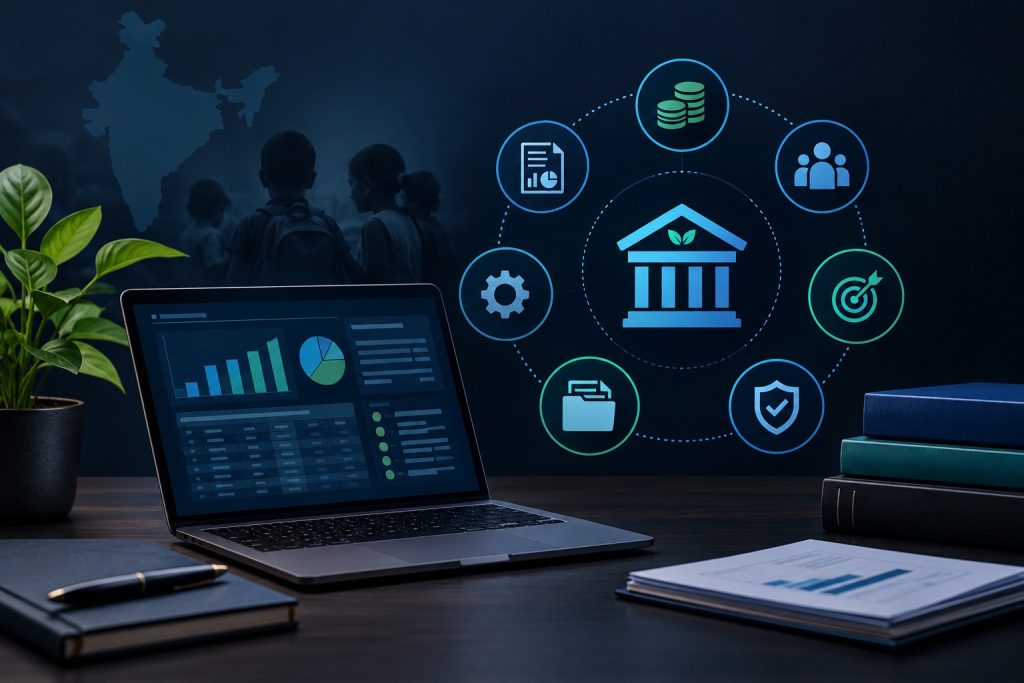
Trust is one of the most important assets an NGO can build. Donors want to understand how their contributions are used, trustees need reliable information to make decisions, and communities want to know whether welfare programmes are meeting their intended objectives.
Yet maintaining transparency can be challenging for organisations that manage financial records in spreadsheets, beneficiary information in separate files, project updates through WhatsApp, and reports manually. Even when an NGO is doing meaningful work, scattered information can make it difficult to explain what has been received, what has been spent, and what has been achieved.
Technology can help address these challenges by making records easier to organise, reports easier to prepare, and information easier for authorised people to review. Digital tools can support financial tracking, donor communication, project monitoring, beneficiary management, and internal accountability.
However, transparency does not come from software alone. It requires accurate records, clear responsibilities, sensible access controls, and a willingness to communicate honestly about both achievements and challenges.
This guide explains how Indian NGOs can use technology to improve transparency, strengthen accountability, protect sensitive information, and build a more organised system for managing welfare activities.
What Does Transparency Mean for an NGO?
NGO transparency means providing accurate, understandable, and appropriate information about an organisation’s purpose, finances, activities, decisions, and results to the people entitled to understand them.
Transparency helps donors understand how funds are managed, trustees oversee organisational decisions, staff coordinate their work, and communities learn about relevant welfare activities. It does not mean publishing every internal record or making personal information about beneficiaries publicly accessible.
For a charitable organisation, transparency commonly involves five areas:
- Financial transparency: Recording donations, income, expenses, fund allocation, and financial balances accurately.
- Donor transparency: Explaining fundraising objectives, acknowledging contributions appropriately, and communicating how donations are used.
- Project transparency: Documenting planned activities, responsibilities, progress, and expenditure.
- Beneficiary transparency: Maintaining appropriate records of the assistance delivered while protecting people’s privacy and dignity.
- Organisational accountability: Documenting decisions, assigning responsibilities, and reviewing whether activities follow approved procedures.
Technology can support each area by connecting information that might otherwise be scattered across files and communication channels.
Why Is Transparency Important for Indian NGOs?
Transparency helps NGOs demonstrate responsible management, support informed decision-making, and communicate credibly with donors, trustees, employees, volunteers, beneficiaries, and other stakeholders.
It matters for several practical reasons.
It helps build donor confidence. Supporters can better understand the purpose of a campaign and review available information about how contributions are managed.
It supports better decisions. Leaders who can access accurate financial and project records are better positioned to identify delays, unexpected expenses, and operational problems.
It improves coordination. Staff and volunteers can work from consistent information instead of relying on separate or outdated records.
It helps identify errors. Regular reconciliation and review can reveal duplicate entries, missing documents, inconsistent figures, or transactions requiring investigation.
It supports appropriate reporting. Well-maintained records make it easier to prepare financial summaries, project updates, and reports required by the organisation’s governance procedures or applicable obligations.
It connects fundraising with results. Organisations can explain not just how much money was collected, but how resources supported welfare activities and what was delivered.
Transparency cannot guarantee that an NGO will receive more donations or avoid every problem. Its value is in helping the organisation demonstrate what it does, explain its decisions, and address shortcomings responsibly.
How Can Technology Improve NGO Transparency?
Technology can improve NGO transparency by making important information easier to record, verify, organise, review, and report. The most useful tools are those that address actual gaps in an organisation’s existing processes.
1. Digital Financial Record-Keeping
Digital accounting tools and structured financial records can help NGOs track donations, grants, programme expenses, and other transactions in an organised manner.
Instead of maintaining disconnected records without a common reference, the organisation can establish a consistent process for recording each transaction and linking it to supporting documentation.
Useful practices include:
- Recording the date, amount, source, and purpose of relevant transactions.
- Maintaining references to bank or payment-provider records.
- Categorising expenses consistently.
- Recording approvals according to organisational procedures.
- Reconciling accounts regularly.
- Restricting access to financial records based on responsibilities.
- Keeping appropriate supporting documents for review.
A small organisation may initially use a well-maintained spreadsheet alongside its accounting records. As financial activity becomes more complex, dedicated accounting software may make reconciliation, categorisation, and report preparation easier.
The important point is not the size of the tool. It is whether the records are complete, accurate, traceable, and reviewed.
2. Digital Donation and Fund Tracking
An NGO can improve transparency by connecting donation records with the campaigns or welfare projects they are intended to support.
For example, when a charity raises funds for food distribution, it should be able to identify the verified contributions received, record the allocation of funds, document relevant expenses, and track the activities completed.
A consistent process may include:
- Publish a clear fundraising objective.
- Record and verify incoming contributions.
- Link contributions to the appropriate campaign.
- Document fund allocation and expenditure.
- Maintain records of project activities.
- Prepare an accurate progress or closing report.
Where a donation is restricted to a particular purpose, the organisation should record and manage that restriction appropriately.
A digital record should never be treated as proof of a payment simply because someone has entered it into a spreadsheet. Financial information must be checked against reliable transaction records and supporting documents.
3. Digital Donor Management
Donor management tools help organisations maintain relevant supporter information, contribution history, acknowledgements, and communication records.
When this information is well organised, the fundraising team can answer practical questions: Was a contribution received? Was it acknowledged? Which campaign did it support? What information has been communicated to the donor?
A donor management system may also help reduce duplicate records and make it easier for authorised team members to respond to enquiries.
However, donor transparency does not mean disclosing a donor’s personal details to everyone. An organisation should provide appropriate information about fundraising and fund use while protecting private information and restricting access to records.
4. Project Management and Progress Tracking
Digital project management tools can help NGOs compare planned activities with actual progress. A project record might include the objective, timeline, assigned responsibilities, planned budget, completed tasks, and outstanding work.
For instance, an organisation running an education-support programme could record when learning materials were purchased, when distribution took place, which activities were completed, and which tasks remain pending.
The team can review progress against the plan and investigate delays or unexpected expenses. It can also use the records to prepare a report for trustees or supporters.
Progress tracking should capture meaningful information rather than simply showing that a task has been marked complete. Records should be supported by suitable evidence and reviewed by responsible team members.
5. Beneficiary Record Management
Beneficiary management tools can help NGOs document assistance delivered through education, healthcare, food distribution, housing support, or other welfare programmes.
With appropriate safeguards, records can help the organisation understand which support was delivered, whether planned activities reached the intended people, and where additional assistance may be needed.
However, beneficiary information can be especially sensitive. An NGO should collect only the information necessary for its work, restrict access, establish appropriate retention practices, and avoid publishing names, contact details, medical information, or identifiable stories without a proper basis and appropriate permission.
Public transparency is not the same as public access to individual records. An organisation can often report aggregate information about activities and outcomes without exposing beneficiaries’ identities.
6. Digital Reporting and Dashboards
A dashboard presents selected information in an organised visual format. For an NGO, it might display verified donations received, project spending, fundraising progress, activities completed, and pending tasks.
Dashboards can help authorised leaders identify questions that need attention. For example, a campaign may be receiving donations as planned while project expenditure is delayed. That difference may indicate a need to review procurement, staffing, or delivery arrangements.
A dashboard should clearly distinguish between actual results, estimates, targets, and pending information. It should also show when information was last updated and who is responsible for verifying it.
A visually attractive dashboard is not automatically transparent. Its figures must be accurate, relevant, and traceable to underlying records.
7. Digital Document Storage and Approval Records
Secure digital document storage can help NGOs organise receipts, invoices, approvals, project documents, meeting minutes, and other supporting records.
Consistent filenames, folders, dates, and document references make it easier to locate information during internal reviews or reporting. Access controls can help prevent unauthorised changes.
For important financial or project decisions, organisations should document who approved the action, when it was approved, and which supporting information was considered. Digital approval workflows may assist where suitable tools are available, but the organisation should retain an appropriate process for exceptions and corrections.
The objective is to create a clear record of decisions, not to digitise paperwork without improving how it is managed.
How Can an NGO Introduce Technology for Better Transparency?
An NGO can introduce transparency-focused technology by reviewing its current processes, identifying gaps, choosing suitable tools, assigning responsibility for records, and establishing a regular review routine. A gradual approach is often more practical than replacing every system at once.
Step 1: Map the Existing Process
Start by tracing how information moves through the organisation.
For example, when a donation arrives, who verifies the payment, who updates the records, who approves expenditure, who tracks the project activity, and who prepares the donor report?
Write down the steps and identify where records become disconnected, approvals are unclear, or information is repeatedly entered by different people.
Step 2: Establish One Reliable Record for Each Type of Information
Decide where the organisation will maintain its official financial records, donor information, project records, and beneficiary information. Different types of information may require different tools, but there should be a clear way to connect relevant records.
Avoid keeping several unofficial versions of the same spreadsheet without a clear process for reconciling them.
Step 3: Assign Clear Responsibilities
Technology works best when staff understand who is responsible for each task.
Define who can record transactions, approve expenses, change project information, access beneficiary data, and prepare reports. Where practical, separate approval from payment recording so another authorised person can review significant transactions.
Small organisations with limited staff should still document their procedures and arrange suitable review by trustees or other responsible people.
Step 4: Choose Tools That Match Actual Needs
Before purchasing software, consider the organisation’s budget, staff capacity, reporting requirements, data sensitivity, and existing technology.
Check whether the tool supports reliable record-keeping, appropriate access controls, backups, data export, and understandable reports. Review the provider’s security and privacy arrangements before storing personal or financial information.
A basic, well-maintained process may be preferable to a complex platform that no one uses consistently.
Step 5: Train the Team and Test the Process
Provide staff and volunteers with clear instructions for entering information, correcting errors, handling documents, and escalating unusual transactions.
Test the process with one project or reporting cycle before extending it across the organisation. Review the results and address problems before relying on the new records for important decisions.
Step 6: Review and Reconcile Information Regularly
Set a schedule to compare digital financial records with bank or payment-provider statements and supporting documents. Review project progress against plans, check outstanding approvals, and resolve gaps in reporting.
Record significant corrections and explain them where necessary. Transparency includes being able to show how a discrepancy was investigated and resolved.
What Should an NGO Include in a Transparency Report?
An NGO transparency report should provide an accurate and understandable account of the organisation’s activities, financial resources, use of funds, and relevant results. Its contents should suit the intended audience and the organisation’s reporting obligations.
Depending on the organisation and programme, a report may include:
- Organisational overview: Mission, programme areas, and the period covered.
- Funds received: Donations and other relevant income, presented accurately.
- Use of funds: Expenditure categories and allocations, supported by appropriate records.
- Project progress: Activities planned and completed during the reporting period.
- Beneficiary support: Appropriate aggregate information about the assistance delivered.
- Results and challenges: What was achieved, what remains incomplete, and what affected implementation.
- Governance and oversight: Relevant approval, review, or audit information where applicable.
- Next steps: Remaining needs, future activities, or plans for addressing identified gaps.
The report should explain its reporting period and use consistent figures. If financial amounts are preliminary, estimated, or awaiting reconciliation, label them clearly instead of presenting them as final.
Digital formats can make reports easier to share and update. However, published reports should undergo appropriate review before release, particularly where they contain financial statements, sensitive data, or claims about impact.
How Can Technology Help Donors Verify NGO Information?
Technology can help donors find organisational information, review available reports, and understand how a charity presents its work. NGOs can support this process by maintaining accurate online information and making relevant documents accessible where appropriate.
In India, the NGO Darpan portal provides an official place to explore information about not-for-profit organisations. Donors and NGOs should understand the portal’s stated limitations: an NGO Darpan ID should not be represented as a government endorsement or guarantee of an organisation’s quality.
Depending on the organisation and the question being checked, donors may also need to consult relevant official registration, tax, or foreign-contribution information. An NGO should not present one registration, listing, approval, or certificate as proof that every aspect of its operations has been independently verified.
For a charity, the practical lesson is to keep public information consistent, provide relevant documentation when appropriate, and explain clearly what a particular registration or approval does—and does not—demonstrate.
What Compliance and Data Protection Issues Should Indian NGOs Consider?
Indian NGOs should align their digital records and transparency practices with the legal, financial, and reporting requirements applicable to their organisation. Technology can help organise documentation, but it does not replace compliance responsibilities or professional advice.
Important considerations include:
Financial and tax records: Maintain appropriate records of receipts and expenditure, and verify the requirements applicable to the organisation. For donations associated with Section 80G, do not promise deductions unless the relevant conditions are met. Refer to the Income Tax Department’s official Section 80G guidance.
Foreign contributions: If an NGO receives contributions that may fall within India’s foreign-contribution rules, it should review the applicable requirements under the Foreign Contribution (Regulation) Act, 2010, and consult the Ministry of Home Affairs’ official FCRA resources.
Personal data: Donor and beneficiary records should be handled with appropriate safeguards. NGOs should review the Digital Personal Data Protection Rules, 2025 and applicable implementation timelines when assessing their responsibilities. The notified rules have a phased commencement schedule, so organisations should check the provisions currently in force rather than assuming every requirement commenced on the same date.
Beneficiary dignity and confidentiality: Share only appropriate information publicly. Reports can often describe the type and extent of assistance without revealing identities or sensitive personal details.
Accurate public claims: Publish information that the organisation can substantiate. Distinguish verified facts from estimates, targets, and planned activities.
This section is general information, not legal, tax, or financial advice. Requirements vary by organisation and activity. Seek qualified professional advice where necessary and verify current official guidance before making compliance decisions.
How Can Technology Improve Transparency in an Education-Support NGO?
Imagine a community organisation providing educational support to 100 children. It receives donations for learning materials, school-related assistance, and programme activities. However, its receipts are stored separately from project updates, making it difficult to prepare a clear report at the end of the year.
The organisation begins by establishing a consistent digital record for incoming contributions and linking each verified transaction to the relevant campaign or fund category. It maintains appropriate documentation of purchases and approvals, while project staff record activities completed and assistance delivered.
The team then compares expenditure with its approved budget and checks whether planned activities were completed. Any discrepancies or delays are reviewed and documented. The organisation prepares a report describing funds received, expenses recorded, activities completed, and outstanding needs.
When sharing the report, it uses suitable aggregate information about children’s educational support and protects personal records from public disclosure.
The process connects:
Donors → Contributions → Funds → Education Project → Beneficiaries → Outcomes → Reporting → Continued Support
With more organised records, the NGO can explain the connection between fundraising and welfare delivery more clearly. The technology helps manage information, while staff oversight and accurate documentation make the information trustworthy.
What Challenges Can NGOs Face When Using Technology for Transparency?
Technology can introduce its own challenges if the tools are poorly chosen or the organisation’s procedures remain unclear.
Common problems include:
- Incomplete data: A digital system cannot produce reliable reports from missing or inaccurate entries.
- Duplicate records: Multiple spreadsheets or separate systems may show conflicting amounts or project details.
- Limited digital skills: Staff and volunteers may need training and written procedures.
- Unclear access controls: Too many people may be able to change financial or beneficiary information.
- Overcomplicated systems: Expensive tools may go unused if they do not match the organisation’s needs.
- Poorly interpreted dashboards: A figure may look definitive even when it is estimated, incomplete, or not reconciled.
- Privacy risks: Publishing too much detail can expose donors or beneficiaries to unnecessary harm.
- Dependence on one person: Records and reporting can become difficult to maintain if only one staff member understands the system.
NGOs can reduce these problems by keeping processes simple, assigning responsibilities, maintaining appropriate backups, reviewing data regularly, and training authorised users.
How Does NGO Transparency Connect With Welfare Governance?
NGO transparency is one part of Welfare Governance: the structured management of an organisation’s resources, people, projects, beneficiaries, accountability, reporting, and impact.
Financial transparency explains what resources were received and spent. Project transparency explains what activities were carried out. Beneficiary records help document the support delivered, while outcome reporting helps the organisation explain what changed or what remains to be done.
These areas are connected. An NGO may have accurate donation totals but still struggle to explain which project received the funds. It may complete a welfare activity but lack the records needed to report it clearly. A broader welfare governance approach encourages organisations to connect these processes.
A well-organised system should help authorised team members follow the journey:
Donors → Contributions → Funds → Welfare Projects → Beneficiaries → Outcomes → Reporting → Continued Support
The purpose is not to expose every internal record. It is to ensure that the right people can review reliable information, decisions can be traced appropriately, and public reports accurately explain the organisation’s work.
Technology supports this approach by helping teams organise information and coordinate responsibilities. The essential foundations remain sound procedures, responsible leadership, reliable records, and a commitment to honest reporting.
Frequently Asked Questions
How can technology improve NGO transparency in India?
Technology can help NGOs maintain accurate financial records, track donations, document project activities, organise beneficiary information, and prepare reports. Its effectiveness depends on reliable data, clear responsibilities, and appropriate review.
What is financial transparency for an NGO?
Financial transparency means maintaining and appropriately communicating accurate information about funds received, income, expenditure, allocations, and financial reporting.
Which digital tools can NGOs use to improve transparency?
NGOs can use accounting software, donor management systems, project management tools, secure document storage, digital payment records, and reporting dashboards. The right tools depend on the organisation’s needs and capacity.
How can NGOs show donors how donations are used?
NGOs can maintain verified transaction records, document fund allocation and expenditure, track relevant project activities, and share accurate campaign reports explaining how contributions were used.
Does a digital dashboard guarantee NGO transparency?
No. A dashboard can make information easier to review, but it cannot guarantee accuracy. The underlying records must be complete, verified, updated regularly, and reviewed by responsible people.
How can NGOs protect beneficiary information while reporting impact?
NGOs can publish appropriate aggregate information about activities and outcomes while restricting access to personal records. Identifiable stories, photographs, and sensitive details should be shared only with an appropriate basis and necessary safeguards.
What is the role of NGO Darpan in transparency?
NGO Darpan is an official portal where users can explore information about not-for-profit organisations. An NGO Darpan ID should not be presented as a government endorsement or guarantee of an organisation’s quality.
How does transparency help build donor trust?
Transparency helps donors understand an organisation’s activities, fund management, and reported results. Consistent, accurate communication gives supporters a clearer basis for evaluating the organisation and its work.
Do small NGOs need expensive transparency software?
No. Small NGOs can begin with well-maintained financial records, organised documents, clear approval procedures, and regular reporting. Additional software may be useful as their operational needs become more complex.
NidhiMax Conclusion
How NidhiMax Can Help Build a Better Welfare Governance System
Improving NGO transparency requires more than publishing a report or introducing new software. Charitable organisations need a dependable way to connect financial information, donor contributions, welfare projects, beneficiary support, and reporting.
When these records are managed through disconnected processes, staff may spend considerable time locating information and preparing updates. A more organised digital approach can help teams coordinate their work, maintain clearer records, and support better accountability.
NidhiMax — Welfare Governance Platform focuses on helping NGOs, charitable trusts, foundations, community organisations, and welfare institutions move towards a more organised digital welfare-management ecosystem.
Every organisation has different requirements. The right approach to technology should reflect its existing workflows, team capacity, information needs, and reporting responsibilities.
Visit NidhiMax.com to learn more about welfare governance and explore how a structured approach to managing charitable activities, resources, and projects can support transparency and accountability.