 Post by
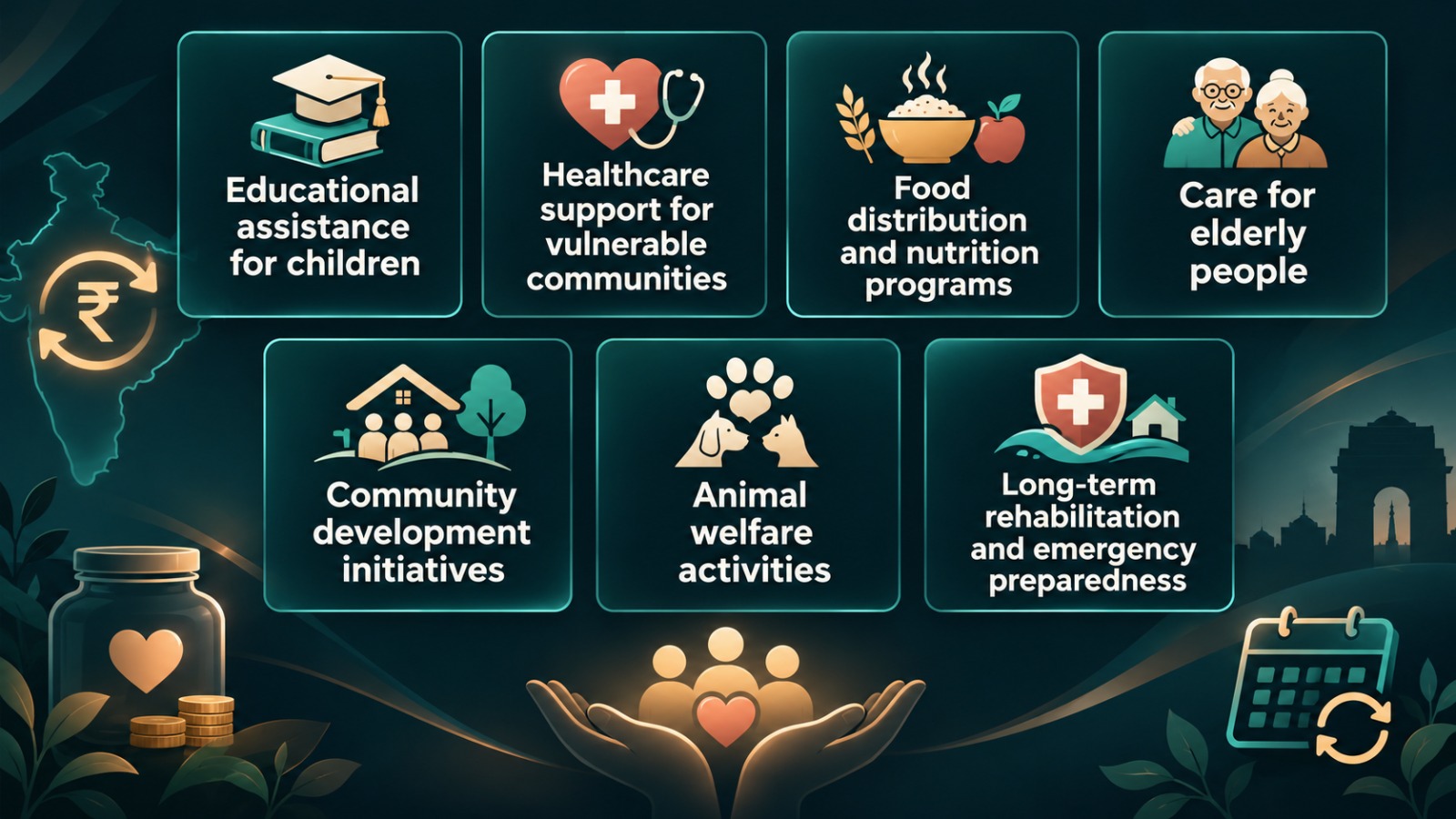
Raising funds is one of the most important responsibilities of an NGO, charitable trust, or community organisation. Whether the goal is to support children’s education, provide healthcare assistance, distribute food, or respond to an emergency, organisations need reliable ways to reach donors and explain why their support matters.
Traditional fundraising methods, such as community events, personal appeals, and local donor networks, remain valuable. However, digital channels give NGOs additional ways to communicate with supporters, accept donations, share project updates, and maintain donor relationships.
The best digital fundraising strategies for Indian NGOs combine a clear cause, convenient donation methods, trustworthy communication, and consistent follow-up. The right approach depends on the organisation’s mission, target audience, fundraising capacity, and ability to manage donations responsibly.
This guide explores practical digital fundraising strategies that Indian NGOs can use, how to choose suitable channels, and how to connect fundraising with long-term welfare management.
What Is Digital Fundraising for NGOs?
Digital fundraising is the process of raising donations through online channels and digital communication tools. NGOs can use websites, online donation pages, UPI payment options, social media, email, messaging applications, and digital campaigns to invite support and communicate with donors.
Digital fundraising is not limited to collecting money online. It also includes the activities that help supporters discover an organisation, understand its work, make informed contributions, and remain connected with its mission.
Common digital fundraising methods include:
- Online donation pages on an organisation’s website.
- UPI payments and QR-code donation options.
- Social media fundraising campaigns.
- WhatsApp-based donor communication.
- Email fundraising and newsletters.
- Recurring donation programmes.
- Online events and community campaigns.
- Search engine optimisation for fundraising-related pages.
- Digital updates about welfare projects and their outcomes.
A small community organisation may begin with a simple donation page and a QR code. A larger NGO may combine several channels with donor records, campaign tracking, and structured reporting.
The goal is not to use every available tool. It is to choose the channels that help the organisation reach appropriate supporters and manage the resulting contributions effectively.
Why Is Digital Fundraising Important for Indian NGOs?
Digital fundraising helps NGOs communicate with supporters beyond their immediate physical networks, offer convenient ways to contribute, and share information about their welfare activities.
For Indian organisations, digital channels can complement existing relationships with local communities, individual donors, volunteers, foundations, and other supporters.
1. Reach supporters beyond the local community
A charity working in one district may have supporters who live in other cities or states. Digital channels can help the organisation explain its work to these people without requiring them to attend an in-person event.
2. Make donations more convenient
Supporters may prefer to contribute through an online donation page or another verified digital payment method. A clear payment process reduces confusion and makes it easier to complete a donation.
3. Explain the need more effectively
Photographs shared with permission, short videos, project descriptions, and simple budget explanations can help supporters understand what the organisation is trying to achieve.
4. Maintain communication with donors
Digital communication makes it easier to share acknowledgements, campaign progress, project updates, and future fundraising appeals with supporters who have agreed to receive them.
5. Improve fundraising records
When digital donations are recorded systematically, organisations can review campaign performance, reconcile contributions, and prepare reports more efficiently.
Digital fundraising is most useful when it strengthens these activities rather than creating additional administrative work that the organisation cannot maintain.
What Are the Best Digital Fundraising Strategies for Indian NGOs?
The best digital fundraising strategies are those that match an NGO’s audience, cause, resources, and operational capacity. Most organisations should begin with a few reliable channels, evaluate their results, and expand when they have the people and processes to manage additional activity.
The following strategies provide a practical starting point.
1. Create a Clear and Trustworthy Online Donation Page
An online donation page gives supporters a central place to understand a campaign and make a contribution. It should explain the cause, the intended use of funds, and the steps required to donate.
For many NGOs, this is a useful foundation for other digital fundraising activities because social media posts, WhatsApp messages, and email campaigns can direct supporters to the same page.
What should an NGO include on its donation page?
A good donation page should contain:
- The organisation’s name and a clear explanation of its work.
- The specific welfare need or campaign objective.
- The intended use of donations.
- The fundraising target, where one has been established.
- Clear and verified payment instructions.
- Official contact information for questions.
- Relevant organisational information that helps donors verify the appeal.
- An explanation of how the organisation will communicate campaign progress.
Keep the page simple and mobile-friendly. Avoid unnecessary steps, confusing forms, or excessive information that distracts supporters from the purpose of the campaign.
Practical example: An NGO raising funds for a community learning centre could explain the educational need, describe the materials or activities to be funded, and provide a clear donation option. It could then use the same page in its WhatsApp messages, emails, and social media posts.
2. Use UPI and QR Codes to Make Donations Easier
UPI and QR codes can make digital donations convenient when the organisation provides verified payment details and clear instructions. A QR code can be included on digital posters, campaign messages, presentations, and event materials.
For Indian NGOs, these options may be especially useful for community fundraising initiatives where supporters want to contribute using a mobile device.
How can NGOs use QR codes for fundraising?
- Set up an appropriate payment method for the organisation.
- Generate a QR code using verified payment details.
- Test the code with a suitable payment application before sharing it.
- Add a short explanation of the campaign and intended use of funds.
- Provide the organisation’s name and a contact method for questions.
- Reconcile payments against actual transaction records.
Do not rely solely on payment screenshots sent by donors. Confirm contributions through the organisation’s payment or bank records.
A QR code should also lead to a clearly identifiable recipient. Avoid using payment details that cannot be verified or that do not match the organisation’s authorised fundraising arrangements.
3. Run WhatsApp Fundraising Campaigns
WhatsApp can help NGOs share fundraising appeals, answer supporter questions, and communicate campaign updates directly with people who have agreed to receive messages.
It is particularly useful when an organisation already has relationships with donors, volunteers, or community supporters.
How can an NGO run a WhatsApp fundraising campaign?
A practical campaign should include:
- A specific fundraising objective.
- A concise message explaining the welfare need.
- A clear and verified donation method.
- Relevant supporting content, such as a project poster or approved photograph.
- A reasonable schedule for campaign updates.
- A process for recording confirmed donations.
- A closing report explaining the result.
For example, a community organisation raising funds for food distribution could explain the planned activity, share its donation link, and send a progress update to interested supporters.
Avoid unsolicited bulk messages, excessive reminders, and adding people to groups without permission. Follow applicable WhatsApp policies and respect supporters who decline further communication.
4. Use Social Media to Build Awareness and Encourage Donations
Social media helps NGOs explain their mission, introduce their projects, share progress, and direct interested people to a fundraising page.
Platforms such as Instagram, Facebook, LinkedIn, and YouTube can serve different purposes depending on the organisation’s audience and content resources.
What should NGOs post on social media?
A balanced content plan can include:
- Campaign announcements: Explain the current fundraising goal and how to contribute.
- Project stories: Describe the welfare need and the activities being undertaken.
- Progress updates: Share genuine developments during a campaign.
- Volunteer contributions: Highlight activities with appropriate permission.
- Financial explanations: Describe how the campaign budget is structured.
- Outcome reports: Explain what the organisation completed and what remains to be done.
A post should give people a reason to care about the issue, not simply ask for money. Educational content and credible updates help supporters understand the organisation’s work over time.
Use photographs and personal stories responsibly. Obtain appropriate consent, protect children’s identities where necessary, and avoid portraying beneficiaries in ways that compromise their dignity.
How often should NGOs post fundraising content?
There is no universal posting frequency that works for every organisation. Choose a realistic schedule that the team can maintain and prioritise accurate, useful updates over frequent posts with little substance.
Review which types of content lead to meaningful engagement, enquiries, and confirmed donations. Likes and views may indicate interest, but they do not prove that a campaign has raised funds.
5. Build a Monthly or Recurring Donation Programme
A recurring donation programme invites supporters to contribute regularly instead of making only occasional donations. It can help an NGO plan ongoing activities when supporters choose to participate and contributions are received consistently.
For programmes involving continuing needs, recurring donations may provide a more predictable funding pattern than relying entirely on separate campaigns.
How can an NGO encourage recurring donations?
- Identify a continuing welfare need, such as educational support or community healthcare assistance.
- Explain how regular contributions will support the programme.
- Offer clear, manageable donation options where the payment setup allows them.
- Explain how recurring payments work and how supporters can manage them.
- Acknowledge contributions and share meaningful project updates.
- Track successful, failed, paused, and cancelled payments where relevant.
Avoid promising that every recurring donation will produce a specific outcome unless the organisation can substantiate that promise.
Example: An NGO supporting a community education programme could invite interested supporters to contribute monthly toward learning materials and educational activities. The organisation would then track the funds received, document the activities supported, and provide updates to donors.
Recurring fundraising still requires careful budgeting. Organisations should not treat expected future donations as money already received.
6. Use Email Fundraising and Newsletters
Email is useful for communicating with donors who want more detailed information than a short social media post can provide. It can support campaign announcements, progress updates, donor acknowledgements, and longer-term relationship building.
What makes an effective fundraising email?
A useful fundraising email generally includes:
- A clear subject line.
- A short explanation of the welfare need.
- A specific reason the organisation is raising funds.
- The intended use of donations.
- A prominent, verified donation link.
- A contact method for questions.
- A clear way to manage communication preferences.
Segment the mailing list when appropriate. Previous donors may appreciate an update about a programme they already support, while new subscribers may need an introduction to the organisation.
Maintain accurate contact records and respect unsubscribe requests. Do not purchase lists or assume that possessing an email address means the person has agreed to receive fundraising communications.
Measure email performance using meaningful indicators, such as confirmed donations and campaign revenue, rather than relying only on opens or clicks.
7. Create Cause-Specific Digital Fundraising Campaigns
A cause-specific campaign focuses on a defined welfare need, a particular project, or an identifiable fundraising objective. It gives supporters a clearer understanding of what the organisation is trying to accomplish.
Examples include:
- Funding learning materials for a community education programme.
- Supporting a defined healthcare assistance initiative.
- Raising funds for food distribution in a local community.
- Replacing damaged supplies after an emergency.
- Purchasing equipment for a welfare institution.
How should an NGO structure a campaign?
Start by explaining the problem and the activity the organisation intends to carry out. Prepare a realistic budget, establish a target based on the actual need, choose suitable donation channels, and decide how progress will be communicated.
If a campaign has a deadline, make sure the deadline is genuine. If the organisation plans to use funds for a wider programme when the immediate target is met or circumstances change, explain the relevant arrangement clearly.
A specific campaign is easier to evaluate because the organisation can compare the target with the funds received and the activities completed.
8. Encourage Supporters to Share Campaigns
Supporters can help a digital fundraising campaign reach people beyond the NGO’s existing network by voluntarily sharing a campaign page, message, or post.
This approach works best when the campaign is easy to understand and simple to share.
Give supporters a ready-to-use message that includes the organisation’s name, the cause, and the verified donation link. Make sure the shared content provides enough context for people who have never heard of the organisation.
Avoid pressuring donors to share personal contact lists or forward messages repeatedly. Supporters should be free to decide whether and how they want to promote the campaign.
An organisation can also invite volunteers and community partners to share campaign information through their own appropriate channels.
9. Improve Search Visibility with SEO
Search engine optimisation (SEO) helps people discover an NGO’s website when they search for relevant causes, projects, or ways to contribute.
Unlike a short-lived campaign post, useful website content may continue to attract relevant visitors over time. However, search visibility takes effort and should not be treated as a guaranteed source of donations.
What SEO activities can help NGO fundraising?
- Create clear pages describing the organisation’s mission and programmes.
- Publish useful explanations of the welfare issues the NGO addresses.
- Make campaign and donation pages easy to navigate.
- Use descriptive page titles and headings.
- Ensure pages work well on mobile devices.
- Keep organisational information and contact details accurate.
- Link relevant educational articles to the appropriate campaign pages.
For example, an NGO focused on educational support could publish an article explaining the challenges faced by its target community, then provide a relevant link to its education programme or fundraising campaign.
Content should answer real questions and reflect the organisation’s actual work. Avoid keyword stuffing, copied articles, and claims that cannot be substantiated.
10. Organise Online Events and Digital Community Campaigns
Online events can help NGOs explain their work, introduce a project, and invite support from interested audiences. They may be particularly useful when an organisation wants to engage people who cannot attend an in-person event.
Possible formats include virtual project briefings, online awareness sessions, volunteer presentations, and live discussions with appropriate speakers.
How can an NGO connect an online event to fundraising?
- Define the event’s educational or fundraising purpose.
- Invite an appropriate audience through relevant channels.
- Explain the cause and the intended use of funds.
- Provide a verified donation method.
- Allow time for questions.
- Share a follow-up message with relevant resources and campaign information.
- Report the outcome after the event.
An event should provide value to participants rather than turning the entire session into a series of donation requests. The organisation should also make clear whether a contribution is optional and whether any particular benefits or conditions apply.
11. Share Project Updates to Build Long-Term Donor Relationships
Donor communication should continue after a campaign ends. Regular, relevant updates help supporters understand how the organisation is using resources and what progress it is making.
Updates can include project milestones, completed activities, expenditure summaries, volunteer contributions, and challenges that still need attention.
What should an NGO include in a donor update?
A concise update can answer four questions:
- What funds or support were received?
- What activities were carried out?
- What progress or outcomes were documented?
- What happens next?
For example, after raising funds for learning materials, an NGO could explain what was purchased, how the distribution was organised, and which planned activities remain outstanding.
Use only verified information. If the project faced delays or the campaign did not reach its target, explain the situation honestly.
Donor retention depends on many factors, and communication alone cannot guarantee that supporters will donate again. However, timely and transparent updates give donors a clearer understanding of the organisation’s work.
How Should an NGO Choose the Right Digital Fundraising Strategy?
An NGO should choose digital fundraising channels according to its objectives, donor audience, available staff, budget, and ability to manage contributions and follow-up.
Using more platforms is not automatically better. A small organisation with limited capacity may benefit more from a reliable donation page and consistent WhatsApp communication than from maintaining several inactive social media accounts.
Fundraising channel | Most useful for | What the NGO needs |
Online donation page | Providing a central donation destination | Clear project information and verified payment options |
UPI and QR codes | Making mobile donations convenient | Correct payment details and contribution reconciliation |
Direct communication with interested supporters | Appropriate contact practices and a clear message | |
Social media | Awareness, storytelling, and campaign sharing | A realistic content plan and consistent updates |
Recurring donations | Supporting ongoing programmes | A suitable recurring-payment process and tracking |
Detailed communication and donor updates | Accurate contact records and permission management | |
SEO | Helping people discover the organisation through search | Useful website content and ongoing maintenance |
Online events | Explaining projects and engaging communities | Event planning, relevant speakers, and follow-up |
Cause-specific campaigns | Raising funds for a defined need | A realistic budget, target, and reporting plan |
A simple starting plan for a small NGO
An organisation beginning digital fundraising can follow this sequence:
- Choose one specific welfare objective.
- Prepare a clear budget and fundraising target.
- Create or improve an official donation page.
- Set up a verified payment method.
- Inform existing supporters through appropriate channels.
- Share genuine campaign updates.
- Record and reconcile contributions.
- Publish a closing report.
- Review the results before planning the next campaign.
This approach allows the organisation to establish a dependable process before investing time or money in additional tools.
How Can NGOs Measure Digital Fundraising Performance?
NGOs can measure digital fundraising by reviewing confirmed donations, campaign expenses, donor participation, conversion from campaign visits to donations, and progress toward the intended welfare objective.
Choose metrics that match the purpose of the campaign and that the organisation can measure reliably.
Useful digital fundraising metrics
- Total donations received: The value of confirmed contributions.
- Number of donations: The count of verified contributions during the campaign.
- Average donation amount: Total confirmed donations divided by the number of donations.
- Donation conversion rate: The percentage of a clearly defined group of visitors or respondents who complete a donation.
- Campaign cost: Relevant expenses associated with planning and running the campaign.
- Donor retention: The proportion of donors who return to contribute during a defined period, using a consistent calculation.
- Progress against target: How the amount raised compares with the fundraising goal.
- Project completion: Whether the intended welfare activities were completed.
- Reporting completion: Whether the organisation documented and communicated the use of funds and relevant outcomes.
Do not confuse online reach with fundraising success. A post may receive many views but few donations, while a smaller appeal shared with relevant supporters may lead to meaningful contributions.
Review results in context. A campaign for an emergency may have a different audience, timeframe, and objective from an ongoing education programme.
What Common Digital Fundraising Mistakes Should NGOs Avoid?
NGOs should avoid launching campaigns without a clear purpose, using unverified payment details, sending unsolicited messages, neglecting donor records, and failing to report how funds were used.
Common mistakes include:
- Using vague appeals: Explain the need and the intended use of funds.
- Launching without a budget: Base the target on the actual cost of the proposed activity.
- Making donation difficult: Test payment links and remove unnecessary steps.
- Using emotional pressure: Communicate the need honestly and respect voluntary decisions.
- Ignoring donor communication preferences: Maintain accurate records and honour requests to stop receiving messages.
- Failing to reconcile donations: Confirm payments against financial records.
- Overlooking privacy: Protect donor details and obtain appropriate permission before sharing beneficiary information.
- Measuring only social media engagement: Review confirmed contributions and welfare outcomes.
- Ending without a report: Explain the campaign result and the next steps.
Good fundraising practices should apply throughout the process, from the first appeal to the final project update.
How Can Technology Connect Fundraising with Welfare Management?
Technology can help NGOs organise fundraising information alongside donor records, contributions, welfare projects, beneficiary information, and reporting. This makes it easier to understand how fundraising supports the organisation’s broader mission.
Collecting a donation is only one stage of a charitable activity. Organisations also need to document how funds are allocated, coordinate the work being funded, maintain appropriate beneficiary records, and communicate progress.
Consider a community organisation running an education-support programme for 100 children.
Its process might include:
- Fundraising: Define the education project’s requirements and raise funds through suitable digital channels.
- Donor management: Maintain appropriate records of supporters and their communication preferences.
- Contribution tracking: Record confirmed donations and reconcile them with payment records.
- Fund allocation: Document how resources are assigned to the education programme.
- Welfare project management: Coordinate purchasing, distribution, and related activities.
- Beneficiary management: Maintain the necessary records while protecting children’s privacy.
- Reporting: Document what was delivered, how funds were used, and what progress was achieved.
- Continued support: Share appropriate updates with donors and use the findings to plan future activities.
This illustrates the connection between:
Donors → Contributions → Funds → Welfare Projects → Beneficiaries → Outcomes → Reporting → Continued Support
The broader approach is known as Welfare Governance: the structured management of welfare activities, resources, people, projects, beneficiaries, accountability, reporting, and impact.
For growing NGOs, connecting these activities can help reduce fragmented records and improve coordination. The appropriate level of technology depends on the organisation’s size, processes, available resources, and reporting needs.
Frequently Asked Questions (FAQ)
What are the best digital fundraising strategies for Indian NGOs?
Useful strategies include online donation pages, UPI and QR-code payments, WhatsApp campaigns, social media, recurring donations, email fundraising, SEO, online events, and cause-specific campaigns. The best mix depends on the NGO’s audience and capacity.
How can a small NGO raise funds online in India?
A small NGO can begin by defining a specific welfare need, preparing a realistic budget, setting up a trustworthy donation page or verified payment method, informing interested supporters, and recording contributions consistently.
How can NGOs accept donations digitally?
NGOs can use suitable online donation pages, verified UPI payment options, QR codes, or other authorised digital payment methods. They should confirm the payment details, reconcile received contributions, and maintain appropriate financial records.
Is WhatsApp useful for NGO fundraising?
Yes. WhatsApp can help NGOs share campaign information, communicate with interested supporters, and provide progress updates. Organisations should respect communication preferences, avoid unsolicited bulk messaging, and follow applicable platform policies.
How can NGOs encourage monthly donations?
NGOs can explain an ongoing welfare need, make recurring donation options clear, describe how regular contributions support the programme, and provide meaningful updates. They should also maintain a reliable process for tracking recurring payments.
How can NGOs build donor trust online?
NGOs can build trust by explaining their mission, providing verifiable organisational information, using accurate fundraising appeals, protecting personal information, recording contributions, and reporting how funds were used.
How should an NGO measure the success of a digital fundraising campaign?
It should review confirmed donations, the number of contributors, campaign expenses, progress against the target, donor retention where relevant, and whether the funded welfare activities were completed.
Why is donor management important for digital fundraising?
Donor management helps an NGO maintain appropriate supporter records, track communication preferences, acknowledge contributions, understand fundraising activity, and develop more consistent donor relationships.
NidhiMax Conclusion
Building a Better Welfare Governance System
Digital fundraising gives NGOs additional ways to reach supporters, explain their work, and collect contributions. Its long-term value, however, depends on what happens after the donation is received.
Organisations need a clear process for recording contributions, allocating funds, coordinating welfare activities, maintaining appropriate beneficiary records, and reporting outcomes. When these activities are organised, fundraising can become part of a more accountable and sustainable approach to welfare management.
NidhiMax — Welfare Governance Platform is focused on helping charitable organisations, NGOs, trusts, community organisations, and welfare institutions move toward a more organised digital welfare-management ecosystem.
Every organisation has different needs. A useful technology approach should reflect its actual fundraising processes, donor relationships, welfare projects, reporting responsibilities, and operational capacity.