 Post by
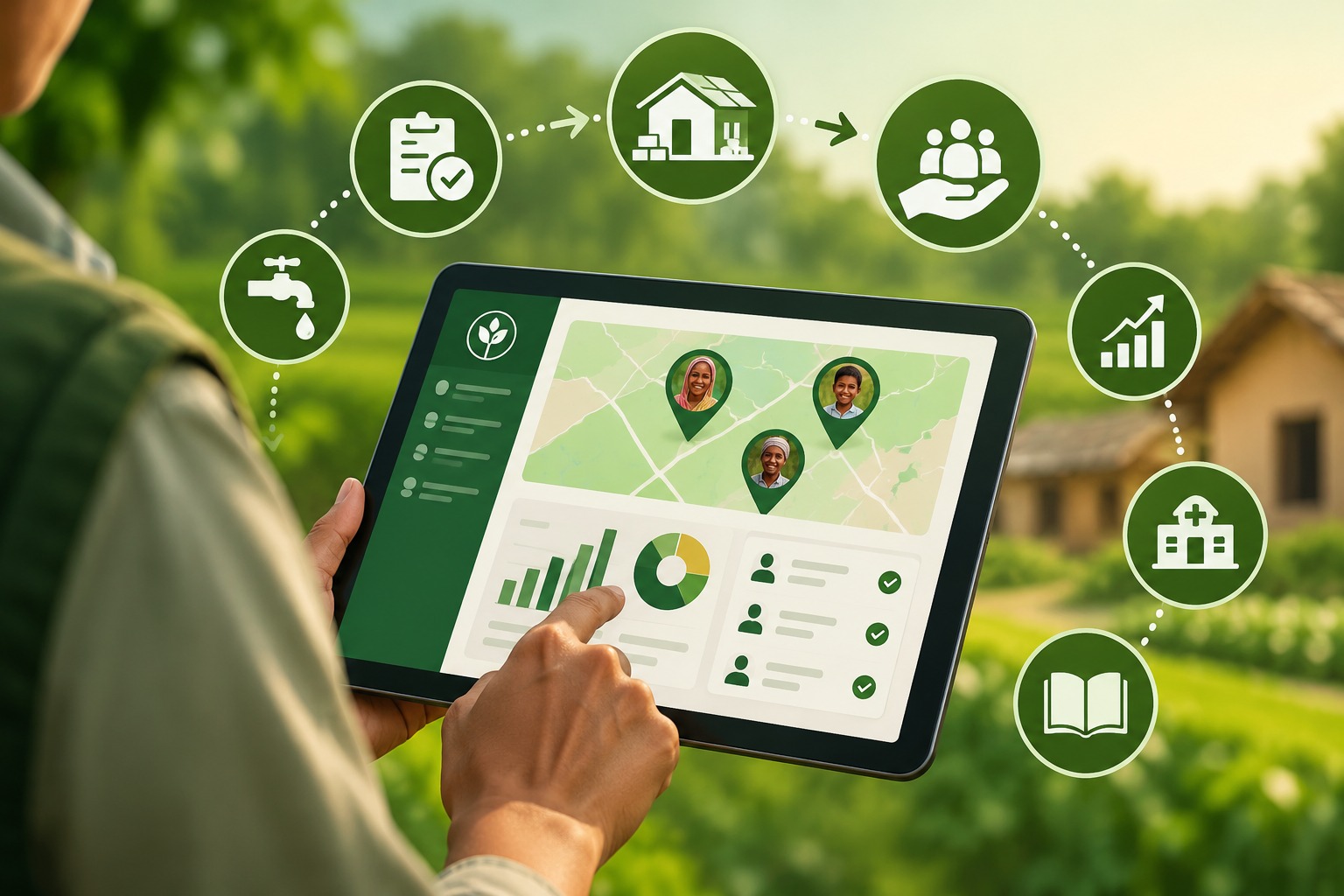
Welfare distribution is an essential part of the work carried out by NGOs, charitable trusts, foundations, and community organisations. Whether an organisation distributes food, provides educational materials, supports medical treatment, or coordinates emergency relief, every activity requires careful planning, reliable records, and coordination among the people involved.
However, managing welfare distribution manually can become difficult as programmes grow. Beneficiary lists may be maintained in spreadsheets, distribution records may remain on paper, and updates from field workers may arrive through phone calls or messaging applications. These disconnected processes can make it harder to identify who received assistance, track available resources, and prepare accurate reports.
Digitising welfare distribution means using digital tools and organised workflows to plan assistance, maintain beneficiary records, document distribution, monitor resources, and review results. It helps NGOs create more consistent records, improve coordination, and strengthen accountability while keeping the needs and dignity of beneficiaries at the centre of their work.
For welfare organisations in India, digitisation does not necessarily mean replacing every existing process at once. It means identifying where information gaps occur and introducing practical digital systems that make welfare delivery easier to manage.
What Is Digital Welfare Distribution?
Digital welfare distribution is the use of digital tools to organise and monitor how an organisation delivers assistance to individuals, families, or communities.
Instead of relying entirely on paper registers and disconnected spreadsheets, an NGO can maintain structured records of projects, beneficiaries, available resources, distribution activities, and reporting.
Depending on the organisation’s needs and the tools it uses, digital welfare distribution may involve:
- Registering and reviewing beneficiaries.
- Planning distribution schedules and locations.
- Recording food, clothing, educational materials, or other assistance.
- Monitoring available stock and supplies.
- Documenting the resources allocated to a welfare project.
- Recording completed and pending distributions.
- Preparing project reports for internal review and relevant supporters.
For example, an NGO conducting a food distribution programme may use digital records to identify approved beneficiary households, plan distribution activities, record supplies received, and document the assistance delivered.
The purpose is to make the process more organised and traceable. Digital records should support responsible decisions rather than replace the judgement and care required when delivering welfare assistance.
Why Should NGOs Digitise Welfare Distribution?
NGOs should consider digitising welfare distribution when manual processes make it difficult to maintain accurate records, coordinate teams, monitor resources, or report on assistance delivered.
Several operational challenges make digitisation worth considering.
1. Manual Records Can Become Difficult to Maintain
Paper registers and separate spreadsheets may work for a small initiative. As the number of projects and beneficiaries increases, keeping these records consistent becomes more demanding.
Staff may enter the same information several times, use different formats, or struggle to locate the latest version of a record.
How digitisation helps: A structured digital record system can establish consistent data fields, reduce unnecessary duplication, and make approved information easier for authorised staff to find.
2. Tracking Distributed Assistance Becomes Complicated
An NGO may need to know which beneficiaries received assistance, what was provided, and whether any approved requests remain pending.
Without a reliable record of each distribution, administrators may struggle to answer these questions.
How digitisation helps: Recording distribution events against the relevant project and beneficiary makes it easier to review assistance history and identify outstanding commitments.
3. Resource Planning Requires Better Visibility
Food packages, clothing, school supplies, medicines, and other welfare resources must be planned and accounted for appropriately.
When supply records are incomplete, teams may have difficulty estimating what is available or identifying shortages before a distribution activity.
How digitisation helps: Where suitable inventory functions are available, digital records can help teams monitor supplies received, items distributed, and remaining stock.
4. Reporting Can Consume Valuable Staff Time
When project managers need a distribution summary, staff may have to collect information from field workers, paper records, and separate spreadsheets.
How digitisation helps: Consistently maintained records can make it easier to prepare distribution summaries and review project progress without repeatedly collecting the same information.
5. Coordination Between Field Teams and Administrators Can Be Difficult
Welfare distribution often involves volunteers, field workers, project coordinators, finance teams, and management.
When updates do not reach the relevant people in time, teams may struggle to respond to changes in schedules, beneficiary needs, or supply availability.
How digitisation helps: Shared workflows and clearly assigned responsibilities can help teams coordinate activities and record updates more consistently.
How Can NGOs Digitise Welfare Distribution Step by Step?
NGOs can digitise welfare distribution by first documenting their existing process, then introducing digital records for beneficiaries, projects, resources, distribution activities, and reporting.
A gradual approach is often easier to manage than attempting to digitise every activity simultaneously.
Step 1: Map the Existing Distribution Process
Before selecting software, document how the organisation currently delivers assistance.
Identify the main stages, such as:
- Identifying a community need.
- Planning the welfare project.
- Registering and assessing beneficiaries.
- Estimating the required resources.
- Securing funds or material contributions.
- Preparing supplies and distribution schedules.
- Delivering assistance.
- Recording completed distributions.
- Reviewing results and preparing reports.
Note where delays, duplicate entries, missing information, and communication problems occur.
This exercise helps the organisation identify which processes would benefit most from digitisation.
Step 2: Create a Digital Beneficiary Register
A digital beneficiary register helps an NGO maintain organised records of people or households receiving assistance.
Depending on the programme, records may include:
- A unique beneficiary reference.
- The minimum identifying information required.
- Location or community served.
- Eligibility or assessment status.
- Assistance requested or approved.
- Distribution history.
- Pending support or follow-up requirements.
The information required will differ by programme. A food distribution initiative may need different records from an education or healthcare assistance project.
Collect only the information necessary for the programme. Establish appropriate procedures for verifying details, correcting errors, restricting access, and protecting sensitive information.
Step 3: Organise Each Welfare Project Digitally
Create a separate record for each welfare initiative.
A project record can include its purpose, coordinator, target community, budget, planned activities, distribution schedule, and reporting requirements.
For example, an organisation may operate separate projects for food distribution, school supplies, and emergency relief.
Keeping these projects distinct helps prevent confusion between their objectives, resources, beneficiary groups, and reporting requirements.
Where several teams work on the same initiative, agree on a common process for updating project information.
Step 4: Track Supplies and Resources
Maintain records of the resources required for each distribution activity.
Depending on the programme, this may include:
- Items or supplies received.
- Quantities available.
- Resources allocated to each project.
- Items distributed.
- Damaged or unusable supplies.
- Remaining stock.
- Pending replenishment requirements.
For example, if an NGO receives school bags, notebooks, and stationery for an education-support programme, it should record what was received, what was distributed, and what remains available.
Digital inventory records can support planning, but physical verification is still important. Staff should periodically compare recorded quantities with actual stock.
Financial contributions should also be recorded separately from physical supplies, with appropriate documentation for each.
Step 5: Record Every Distribution Activity
A digital distribution record should show what assistance was delivered, when it was delivered, which project it belonged to, and the relevant beneficiary or distribution group.
Depending on the programme, useful fields may include:
- Distribution date and location.
- Project reference.
- Beneficiary or household reference.
- Type and quantity of assistance.
- Delivery status.
- Responsible team member.
- Relevant notes or follow-up actions.
Avoid collecting unnecessary personal details or requiring beneficiaries to provide sensitive information without a clear need.
For programmes serving groups rather than individually registered people, aggregate distribution records may be more appropriate.
Step 6: Assign Responsibilities to Team Members
Digitisation works best when staff understand who is responsible for each part of the process.
For example:
- The project coordinator approves the distribution plan.
- The beneficiary-assessment team verifies eligibility.
- The inventory team records supplies received and issued.
- Field workers document assistance delivered.
- The finance team maintains relevant financial records.
- The programme manager reviews progress and unresolved issues.
These responsibilities should reflect the organisation’s actual structure. Smaller NGOs may assign several responsibilities to the same person, but important records and approvals should still be clearly documented.
Where practical, separate approval and record-review responsibilities for activities that require stronger oversight.
Step 7: Monitor Distribution Progress
Use project records to review planned versus completed activities.
Useful measures may include:
- Beneficiaries assessed.
- Beneficiaries approved.
- Assistance delivered.
- Distribution activities completed.
- Supplies available and distributed.
- Pending requests.
- Expenditure against the approved budget.
- Follow-up activities outstanding.
These measures help managers identify problems that need attention.
For example, if a distribution is scheduled for a particular community but the supplies have not arrived, the project coordinator can review the delay and revise the plan before the activity takes place.
Step 8: Generate Reports and Review Results
At the end of each reporting period, review the records to understand what was planned, what was delivered, what resources were used, and what remains pending.
A distribution report may include the project objective, location, type of assistance, number of recipients or households reached, supplies distributed, relevant expenditure, challenges, and next steps.
Before sharing the report, check the underlying records and remove personal information that the intended audience does not need.
A useful report should provide an accurate account of the programme, including delays and limitations, rather than simply presenting positive results.
What Digital Tools Can NGOs Use for Welfare Distribution?
NGOs can begin with structured spreadsheets and shared documents, or evaluate dedicated welfare-management platforms when their needs become more complex. The appropriate option depends on the number of projects, volume of records, field conditions, reporting requirements, and available budget.
Spreadsheets and Digital Forms
Spreadsheets can help smaller organisations maintain beneficiary registers, project lists, and basic distribution records.
Digital forms may make it easier for authorised staff to collect consistent information from different locations.
However, teams need clear rules for editing, access, backups, and record verification. Multiple copies of the same spreadsheet can create conflicting information.
Inventory Management Tools
Inventory tools can help organisations record supplies received, items issued, and stock remaining.
These tools may be useful for food distribution, clothing drives, educational materials, medical supplies, and other initiatives involving physical resources.
Choose a system that reflects the organisation’s actual inventory requirements and the level of detail needed.
Project Management Tools
Project management tools can help teams organise schedules, assign responsibilities, record task status, and follow up on delays.
They are useful for coordinating activities but may not provide the beneficiary management or financial tracking required by a welfare organisation.
Welfare Management Platforms
A welfare management platform can provide a more coordinated approach to managing project information and related welfare processes.
Depending on its available capabilities, it may help an organisation organise project records, beneficiary information, distribution activities, contribution records, and reports.
Before choosing a platform, verify which functions are available and whether they meet the organisation’s needs. Do not assume that every platform includes inventory management, offline data entry, automated notifications, or other specialised features.
How Can NGOs Protect Beneficiary Data During Digitisation?
NGOs should protect beneficiary data by collecting only necessary information, restricting access, using appropriate security measures, and establishing clear rules for how records are stored, shared, retained, and deleted.
Welfare distribution records may contain information about people’s financial circumstances, health needs, addresses, family situations, or eligibility for assistance. Poor data handling can expose beneficiaries to unwanted disclosure or misuse.
Practical safeguards include the following:
Limit data collection. Do not collect personal information simply because a digital form allows it.
Restrict access. Give staff access only to the information required for their responsibilities.
Use secure accounts. Establish appropriate authentication and account-management procedures, especially when staff use shared devices.
Maintain backups. Keep suitable backups and establish a process for recovering records if information is lost.
Document consent where appropriate. Explain how information will be used and obtain the required consent for relevant activities, particularly when collecting photographs, testimonials, or sensitive details.
Establish retention rules. Define how long records need to be kept and how they should be securely deleted when no longer required.
Review third-party tools. Understand how a service stores, protects, processes, and exports beneficiary information before using it.
For Indian organisations, privacy and data-handling obligations can depend on the circumstances and applicable requirements. Organisations should seek qualified advice when necessary rather than assuming that digitisation alone establishes compliance.
How Does Digital Welfare Distribution Improve Transparency and Accountability?
Digital welfare distribution can improve transparency by creating more consistent records of resources received, assistance approved, distribution activities completed, and results reported.
A clear record trail helps an organisation explain how a welfare programme was implemented and supports internal review.
For example, a food distribution project may maintain records of contributions received, supplies purchased or donated, stock issued, distribution activities, and the assistance delivered to households.
When these records are reviewed together, administrators can investigate discrepancies and prepare a more complete account of the programme.
However, transparency requires more than software. Organisations also need clear approval procedures, accurate entries, regular reconciliation, and honest reporting.
Useful practices include:
- Documenting significant decisions and approvals.
- Recording changes to budgets and distribution plans.
- Reconciling physical stock with recorded quantities.
- Reviewing financial records and supporting documents.
- Maintaining a record of completed and pending assistance.
- Reporting delays and challenges accurately.
- Sharing information with donors and stakeholders in a way that protects beneficiary privacy.
These practices support accountability without unnecessarily exposing the people an organisation serves.
Practical Example: Digitising a Food Distribution Programme
Imagine a community organisation planning a food distribution programme for families experiencing hardship.
Previously, the organisation used paper registers for beneficiary details, separate spreadsheets for supplies, and messages to coordinate volunteers.
To improve the process, the organisation introduces a structured digital workflow.
First, it creates a project record. The record includes the programme’s objectives, location, coordinator, budget, distribution schedule, and reporting requirements.
Next, it organises beneficiary information. The team assesses requests and maintains appropriate records for approved households, using unique references where needed.
Then, it records supplies. Food items received from donors or purchased for the programme are documented, along with the quantities allocated for distribution.
During distribution, the team records delivery. Staff document which approved households received assistance and record any unresolved cases.
Finally, management reviews the results. The team checks distribution records, reconciles supplies, reviews expenditure, and identifies pending assistance.
The organisation can then prepare a report covering the resources received, distributions completed, households reached, and challenges encountered.
If a household was approved but did not receive the planned assistance, the record can help the team arrange follow-up.
This example demonstrates how digital records can connect planning, beneficiaries, resources, delivery, and reporting without requiring the organisation to adopt a complicated system from the beginning.
What Common Mistakes Should NGOs Avoid When Digitising Welfare Distribution?
NGOs should avoid introducing digital tools without first defining their processes, assigning responsibilities, and establishing suitable safeguards.
Common mistakes include:
- Digitising an unclear process: Document the existing workflow before deciding which parts to automate or change.
- Collecting too much information: Limit beneficiary records to what is necessary.
- Using inconsistent data formats: Standardise dates, project references, item names, and status labels.
- Ignoring staff training: Explain how records should be entered, updated, reviewed, and corrected.
- Relying entirely on digital records without verification: Check important entries against supporting documents and physical stock where appropriate.
- Choosing tools based only on price: Consider usability, access controls, reporting, support, and the ability to export records.
- Overlooking field conditions: Consider internet availability, device access, language needs, and the digital skills of staff and volunteers.
- Failing to plan for errors: Establish a clear process for correcting records and handling missing or conflicting information.
A gradual rollout can help organisations identify issues before extending the system to every project.
How Does Digital Welfare Distribution Fit Into Welfare Governance?
Welfare governance is the structured management of an organisation’s welfare activities, resources, people, projects, beneficiaries, accountability, reporting, and impact.
Digital welfare distribution supports this broader approach by helping organisations connect the resources they receive with the assistance they deliver and the results they document.
The relationship can be understood as:
Donors → Contributions → Funds → Welfare Projects → Beneficiaries → Outcomes → Reporting → Continued Support
Fundraising helps an organisation obtain resources, but those resources must then be allocated, managed, and used for appropriate welfare activities. Distribution records document the assistance delivered, while monitoring and reporting help management review progress and explain the use of resources.
When these processes are organised, an NGO can gain a clearer understanding of how its welfare programmes operate and where improvements may be needed.
The goal is not to digitise every activity for its own sake. It is to establish a reliable system that supports responsible welfare delivery, informed decisions, and meaningful accountability.
Frequently Asked Questions
1. What does it mean to digitise welfare distribution?
Digitising welfare distribution means using digital tools to manage beneficiary records, plan distribution activities, track supplies, document assistance, and prepare project reports.
2. How can NGOs digitise welfare distribution?
NGOs can start by mapping their existing workflow, creating digital project and beneficiary records, tracking resources, documenting each distribution, assigning responsibilities, and reviewing reports regularly.
3. What are the benefits of digital welfare distribution?
Digital welfare distribution can improve record consistency, project coordination, resource tracking, reporting, and accountability. Its effectiveness depends on appropriate processes, accurate information, and staff adoption.
4. Can small NGOs digitise welfare distribution using spreadsheets?
Yes. Small NGOs can begin with structured spreadsheets and digital forms. As project complexity grows, they can assess whether a dedicated welfare-management platform would better support their needs.
5. How can NGOs track beneficiaries during welfare distribution?
NGOs can maintain organised beneficiary records, use consistent identification procedures, record assistance delivered, and review pending requests while protecting personal information.
6. How can digital tools help track welfare supplies?
Suitable digital tools can record supplies received, quantities allocated, items distributed, and remaining stock. Periodic physical verification helps ensure that records reflect actual inventory.
7. How can NGOs protect beneficiary information digitally?
NGOs should collect only necessary information, restrict access, use appropriate security measures, maintain backups, establish retention procedures, and protect sensitive details when sharing reports.
8. What is the difference between digital welfare distribution and welfare governance?
Digital welfare distribution focuses on organising and documenting the delivery of assistance. Welfare governance is broader, covering the management of resources, projects, beneficiaries, accountability, reporting, and outcomes across welfare activities.
How NidhiMax Can Help
Digitising welfare distribution is an important step towards making welfare operations more organised and accountable. However, distribution is only one part of a charitable organisation’s wider responsibilities.
NidhiMax — Welfare Governance Platform is focused on helping NGOs, charitable trusts, community organisations, and welfare institutions move towards a more organised digital welfare-management ecosystem.
For organisations reviewing their current processes, welfare governance offers a way to consider how beneficiary management, project coordination, fundraising, contribution tracking, and reporting can work together.
Every organisation has different operational needs. A small community initiative may begin with basic digital registers, while an organisation managing several programmes may need more coordinated workflows and reporting. The right approach depends on the organisation’s actual requirements and the capabilities of the technology it selects.
Before adopting a platform, assess the processes that need improvement and verify that the available functions meet those requirements.
The objective is to help welfare organisations build clearer processes for managing resources, coordinating assistance, documenting activities, and reporting on the work they carry out for their communities.