 Post by
For many charities and NGOs, collecting donations starts with a simple challenge: making it easy for a willing supporter to contribute at the right moment.
A person may see a fundraising poster, attend a community event, hear about a welfare project, or come across a charity campaign online. If making a donation requires searching for a website, typing a long payment address, or finding the organisation manually, the supporter may postpone the contribution.
QR codes offer a simple way to connect these moments with a charity’s digital donation process. A supporter can scan a code with a smartphone and reach the organisation’s designated donation or payment destination.
But QR codes are more than a payment shortcut. When used properly, they can become part of a broader digital fundraising process that includes donor management, contribution tracking, communication, transparency, and reporting.
For charities, the real opportunity is not simply to display a QR code. It is to build a clear journey from interest → contribution → donor relationship → welfare activity → reporting.
What Is a QR Code for Charity Donations?
A QR code for charity donations is a scannable digital code that directs a supporter to a charity’s chosen donation, payment, or fundraising destination.
Instead of manually entering a website address or searching for a fundraising page, the supporter scans the code using a smartphone and follows the available instructions.
For example, a charitable organisation running an education-support campaign could display:
Support Education in Your Community
Scan the QR code to learn more and contribute.
The QR code could then take the supporter to the organisation’s official donation page or an appropriate digital payment destination.
The QR code itself does not manage the entire fundraising process. It simply creates a convenient connection between the supporter and the organisation’s digital contribution process.
How Can QR Codes Help Charities Collect Donations?
QR codes can make the first step of digital giving easier by providing a direct route to a charity’s donation or payment destination.
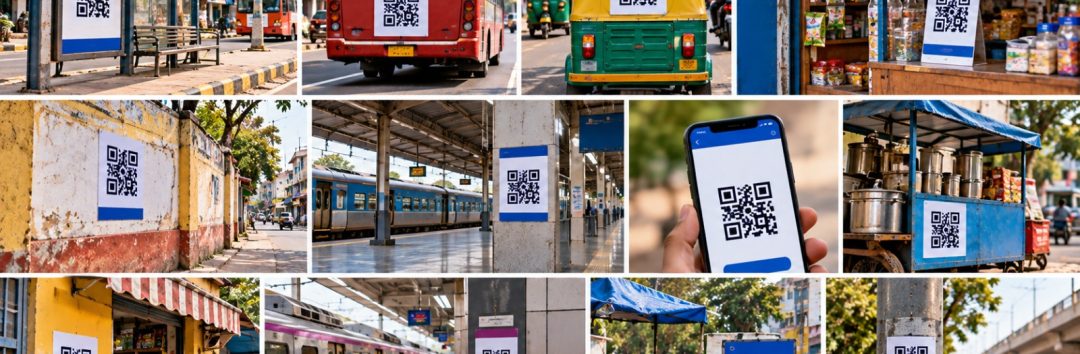
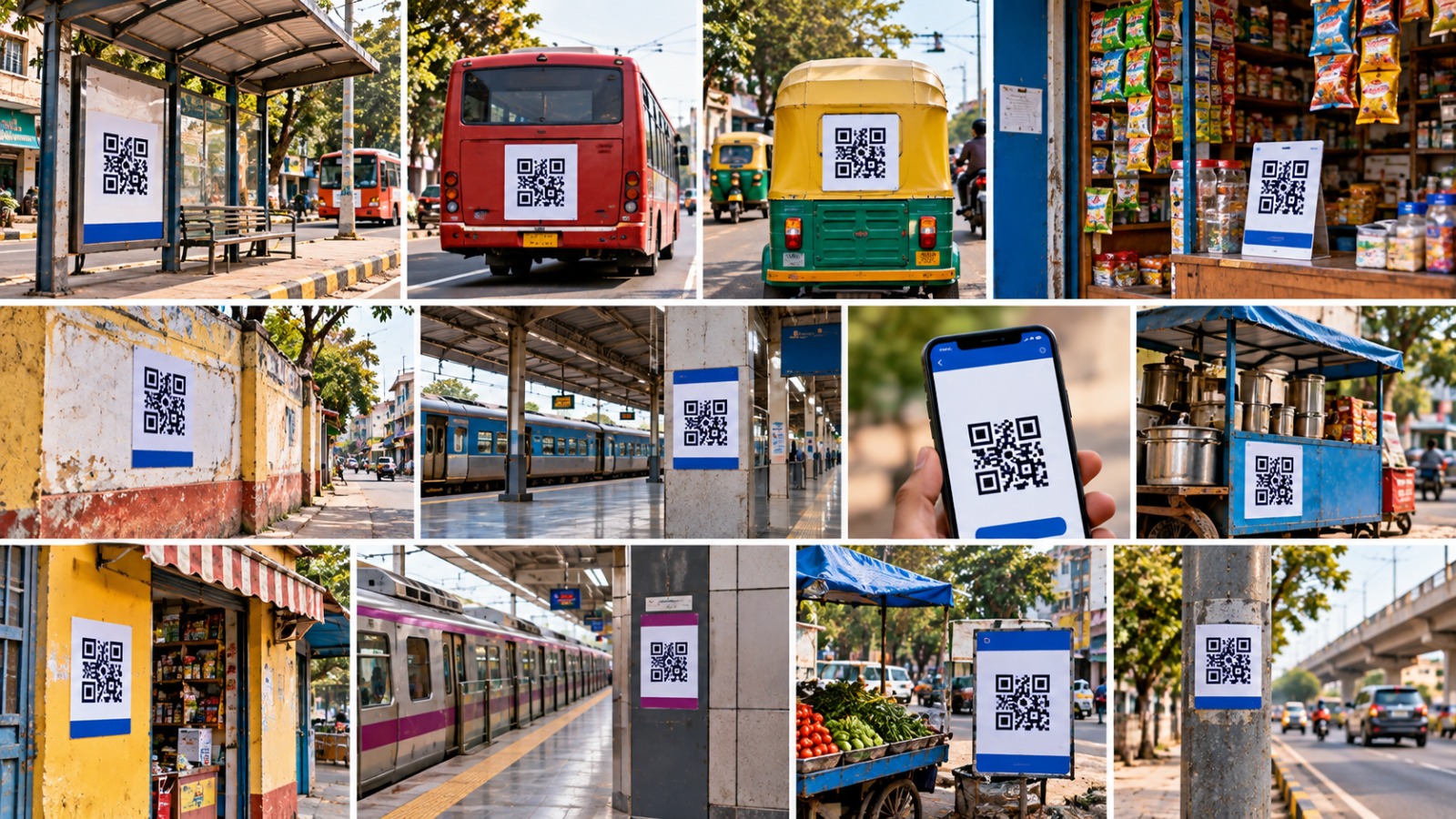
They can be particularly useful when a supporter is already interested in the organisation but needs a convenient way to contribute. A QR code can be placed on posters, event displays, brochures, donation boxes, presentations, and suitable digital campaign materials.
A typical journey looks like this:
Fundraising message → QR code → Donation destination → Contribution → Record → Acknowledgement → Follow-up
For example, imagine a community organisation conducting a fundraising campaign to support an education programme. At a local event, visitors learn about the programme and decide they would like to contribute. Instead of writing down the organisation’s website and visiting it later, they can scan the QR code and access the relevant digital destination immediately.
The convenience is useful, but the organisation still needs a well-managed process behind the QR code.
How Does QR Code Donation Collection Work?
QR-based donation collection usually involves several connected steps.
1. Create a clear fundraising purpose
Start by deciding what the campaign is raising funds for.
For example:
- Education support
- Healthcare assistance
- Food distribution
- Community development
- Emergency relief
- A specific welfare project
A specific purpose gives supporters context for their contribution.
2. Select the donation destination
Choose the official digital destination where the supporter should go after scanning the code.
This could be a suitable donation page or another authorised digital payment route used by the organisation.
3. Generate the QR code
Create a QR code that points to the selected destination.
4. Test the code
Scan it using different smartphones and confirm that it opens the intended destination.
Do not assume that a QR code works simply because it was generated successfully.
5. Add a clear call to action
Tell supporters exactly what they should do.
For example:
Scan to Support the Education Programme
is more useful than displaying a QR code without any explanation.
6. Receive and record contributions
Once a supporter contributes, the organisation should maintain appropriate contribution records and connect them with its broader fundraising or donor-management process.
7. Acknowledge the supporter
Where appropriate information is available, acknowledge the contribution and maintain a suitable communication process.
8. Connect the contribution to the welfare activity
The organisation should be able to understand what campaign or welfare purpose the contribution relates to and manage the resulting funds through its internal processes.
This turns QR fundraising from a simple payment mechanism into part of a broader fundraising workflow.
What Are the Benefits of Using QR Codes for Charity Donations?
The main benefit of QR codes is convenience, but charities can gain several operational advantages when QR fundraising is implemented carefully.
1. Easier access to digital giving
Supporters can scan rather than manually type a web address or search for a donation page.
2. Useful for physical fundraising
QR codes can connect offline fundraising activities with digital donation processes.
A poster, event banner, brochure, or donation box can become a gateway to an online contribution journey.
3. Suitable for fundraising events
During a charity event, supporters may be interested in contributing while they are already learning about the organisation’s work.
A visible QR code gives them a direct option.
4. Easy to include in campaign materials
A QR code can be incorporated into different fundraising materials without requiring supporters to remember lengthy payment information.
5. Can support campaign-level tracking
When appropriate campaign-specific destinations or tracking methods are used, an organisation may be able to understand which fundraising activities generate contributions.
6. Can connect offline and digital fundraising
QR codes can help bridge traditional fundraising activities and an organisation’s wider digital fundraising strategy.
However, these benefits depend on the quality of the overall donation experience. A QR code that leads to a confusing or unreliable destination will not solve the underlying problem.
Where Can Charities Use QR Codes to Collect Donations?
Charities can use QR codes in many places where supporters interact with their organisation.
Fundraising Posters
A poster can explain the campaign and provide a QR code for supporters who want to contribute.
Charity Events
QR codes can be displayed on banners, presentation screens, information desks, or other suitable event materials.
Donation Boxes
A physical donation box can include a QR option for people who prefer digital giving.
Brochures and Flyers
Printed materials can connect supporters with the organisation’s digital donation process.
Community Programmes
An NGO can display a QR code at appropriate activities where supporters are learning about its welfare work.
Presentations
A fundraising presentation can include a QR code on a closing slide for attendees who want to contribute.
Social Media
QR codes can sometimes be included in social media creatives, although they may be less convenient when someone is already viewing the content on the same smartphone. In such situations, a clickable donation link can be more practical.
The placement should always match the way supporters are expected to interact with the campaign.
What Should a Charity Include With Its Donation QR Code?
A QR code should not appear by itself. Supporters need enough information to understand what they are being asked to support.
A useful QR fundraising creative can include:
- Campaign headline: What is the fundraising for?
- Short explanation: Why does the campaign matter?
- Organisation name: Who is collecting the contribution?
- Call to action: What should the supporter do?
- QR code: Where should they scan?
- Additional information: Where can they learn more?
For example:
Help Support Community Education
Your contribution can support our organisation’s education-support activities.
Scan to learn more and contribute.
The message should be concise. The QR code should be clearly visible and large enough to scan comfortably.
How Can QR Codes Improve the Donor Experience?
QR codes can reduce friction between a supporter deciding to donate and reaching the organisation’s contribution process.
Consider two different experiences.
Without a QR code:
A supporter sees a poster → remembers the charity name → searches online → finds the website → searches for the donation page → begins the contribution process.
With a QR code:
A supporter sees the campaign → scans the code → reaches the intended digital destination.
The second journey can be more direct.
However, a good donor experience involves more than speed. Supporters also need confidence that they are contributing to the intended organisation and understand what their contribution supports.
The destination should therefore be clear, trustworthy, mobile-friendly, and relevant to the campaign.
How Can NGOs Use QR Codes at Fundraising Events?
NGOs can use QR codes at fundraising events to provide attendees with a convenient way to access the organisation’s contribution process.
For example, imagine an NGO conducting an awareness event about a community education programme.
The organisation could:
- Explain the welfare project during the event.
- Display information about the programme.
- Place a QR code on the event banner or presentation screen.
- Ask interested attendees to scan the code.
- Direct them to the official contribution destination.
- Record available contribution information.
- Acknowledge supporters appropriately.
- Provide suitable updates about the programme later.
The QR code becomes part of the event experience rather than the entire fundraising strategy.
How Can a Charity Track Donations Collected Through QR Codes?
A charity can track QR-based contributions by connecting its digital payment process with an organised contribution and donor-management system.
Depending on the payment method and the information made available by the donation process, useful records may include:
- Contribution date
- Contribution amount
- Campaign
- Welfare project
- Payment or transaction reference
- Donor name, where provided
- Donor contact information, where appropriately collected
- Acknowledgement status
- Follow-up status
Not every QR payment will provide the same donor information. A payment may identify a transaction without providing enough information to establish a long-term donor relationship.
That is why charities should distinguish between transaction tracking and donor management.
Transaction tracking answers:
“What contribution was received?”
Donor management can address broader questions such as:
“Who is this supporter, what campaigns have they engaged with, what communication is appropriate, and how can the relationship be maintained?”
Both can be useful to a growing charity.
Why Is Donor Management Important for QR Donations?
Donor management is important because a donation is often the beginning of a relationship rather than the end of an interaction.
Suppose an NGO receives contributions from several QR-based fundraising campaigns. If those transactions remain scattered across different records, it may become difficult to understand:
- Which campaign generated the contribution?
- Which welfare project was being supported?
- Which supporters provided contact information?
- Who has been acknowledged?
- Which supporters have contributed previously?
- What communication should happen next?
An organised donor-management process can help bring relevant information together.
For charities that are increasing their digital fundraising activity, this becomes increasingly important.
How Can QR Codes Support Different Types of Charity Campaigns?
QR codes can be adapted to different welfare and fundraising contexts.
Education Support
A charity can use a QR code in a campaign explaining an education-support project and direct interested supporters to its contribution process.
Healthcare Assistance
An organisation supporting healthcare-related welfare activities can include a QR code in relevant campaign materials.
Food Distribution
A community organisation can use QR fundraising materials to support a food-distribution initiative.
Emergency Relief
During a relief campaign, a clearly identified QR code can provide supporters with a direct route to the organisation’s official contribution destination.
Community Development
Local welfare organisations can use QR codes in campaigns supporting community-development activities.
The fundraising message should always explain the purpose clearly rather than relying on the QR code alone.
Should Every Charity Campaign Have a Separate QR Code?
No. A charity does not necessarily need a different QR code for every campaign.
A separate QR code or campaign destination can be useful when the organisation needs to distinguish between fundraising initiatives, locations, events, or campaign sources.
For example, an organisation running separate campaigns for education support and food distribution may choose to use campaign-specific destinations if that helps its internal tracking.
However, creating too many different payment routes can make operations harder to manage.
The right approach is to balance tracking needs, simplicity, and donor convenience.
How Can Charities Build Trust With QR-Based Donations?
Charities should treat trust as an essential part of digital fundraising.
A supporter should be able to understand:
- Who is collecting the contribution?
- What is the campaign for?
- Where does the QR code lead?
- Is the destination associated with the intended organisation?
- What happens after the contribution?
- How can the organisation be contacted if there is a problem?
Good practices include:
- Clearly displaying the organisation’s name
- Using official fundraising destinations
- Testing QR codes before publishing them
- Keeping campaign information accurate
- Providing appropriate contribution acknowledgements
- Maintaining organised records
- Sharing suitable project updates
- Handling donor information responsibly
A QR code itself does not prove that a fundraising request is genuine. Supporters should still be able to identify and verify the organisation before contributing.
What Are Common QR Donation Mistakes Charities Should Avoid?
QR fundraising can be simple, but small mistakes can affect the donor experience.
1. Displaying an untested QR code
A broken or incorrect code can prevent supporters from completing a contribution.
Better approach: Test the complete QR journey before publishing it.
2. Making the QR code too small
A code that cannot be scanned easily creates unnecessary friction.
Better approach: Use an appropriate size and test the printed material from the expected viewing distance.
3. Providing no explanation
A QR code without context leaves supporters unsure about what they are scanning.
Better approach: Add a short campaign message and clear call to action.
4. Sending supporters to an unclear destination
A supporter may hesitate if the destination does not clearly identify the organisation.
Better approach: Use a clear and appropriate official destination.
5. Ignoring contribution records
Receiving donations without maintaining organised records can create administrative problems.
Better approach: Connect QR-based contributions with the organisation’s broader contribution tracking process.
6. Forgetting donor communication
A supporter who contributes may expect acknowledgement or future information about the campaign.
Better approach: Establish an appropriate communication process based on the information available and the organisation’s practices.
7. Treating QR fundraising as the entire digital strategy
A QR code can make giving easier, but it does not replace donor management, project management, reporting, or relationship building.
Better approach: Treat QR fundraising as one component of a wider digital fundraising and welfare-management system.
How Can a Charity Measure QR Donation Campaigns?
Charities should decide what they want to learn from a QR campaign before deciding what to measure.
Depending on the campaign and available information, an organisation might monitor:
- Number of contributions
- Total contribution value
- Contributions by campaign
- Contributions by event or location
- Available donor information
- Acknowledgement status
- Repeat contributions over time
- Campaign-related engagement
For example, an NGO might use different campaign destinations for several fundraising events. The organisation could then review the contribution information associated with each campaign and use those observations when planning future fundraising activities.
The objective should not simply be to collect more data. The objective is to understand the fundraising process and improve how the organisation manages supporter relationships and welfare activities.
How Can QR Donations Connect With Welfare Governance?
QR donations are one part of a larger welfare ecosystem.
The broader journey can be understood as:
Donors → Contributions → Funds → Welfare Projects → Beneficiaries → Outcomes → Reporting → Continued Support
A QR code mainly helps connect supporters with the contribution stage. But the organisation’s responsibility continues after the payment.
For example, imagine a community organisation running an education-support programme.
The process might involve:
- The organisation creates a fundraising campaign.
- Supporters access the contribution process through a QR code.
- Contributions are recorded.
- Funds are managed according to the organisation’s internal processes.
- The education project carries out planned activities.
- Beneficiary information is managed appropriately.
- Project activities and outcomes are documented.
- Suitable information is communicated to supporters.
- The organisation maintains relationships with supporters for future engagement.
This broader coordination is where Welfare Governance becomes relevant.
Welfare Governance can be understood as the structured management of an organisation’s welfare activities, resources, people, projects, beneficiaries, accountability, reporting, and impact.
Fundraising is therefore one part of a much larger process.
What Should a Charity Check Before Launching QR Donations?
A simple checklist can help an organisation prepare.
Fundraising
- Is the purpose of the campaign clear?
- Does the campaign explain what supporters are being asked to support?
- Is the organisation clearly identified?
QR Code
- Does it open the correct destination?
- Has it been tested on different devices?
- Is it large enough to scan?
- Is it still readable after printing?
Donation Experience
- Is the destination mobile-friendly?
- Are instructions clear?
- Can supporters understand where their contribution is going?
- Is additional organisation information available?
Operations
- How will contributions be recorded?
- How will campaign sources be identified?
- Who will monitor incoming contributions?
- Who will handle acknowledgements?
Follow-Up
- How will appropriate supporter communication be managed?
- How will campaign information be maintained?
- How will welfare project updates be recorded and shared?
Planning these areas before launching the QR campaign can prevent avoidable problems.
How Can Small Charities Start Using QR Codes?
Small charities can begin with a focused campaign rather than trying to redesign their entire fundraising process at once.
A practical starting point is:
- Select one fundraising purpose.
- Choose the appropriate official donation destination.
- Generate one QR code.
- Test the complete journey.
- Create a simple campaign poster or digital creative.
- Display it at a relevant supporter touchpoint.
- Record available contribution information.
- Acknowledge supporters appropriately.
- Review the campaign.
- Improve the process for the next fundraising activity.
The goal is to create a repeatable process.
As the organisation grows, it can gradually connect digital fundraising with donor management, welfare projects, beneficiary management, communication, reporting, and other operational processes.
Frequently Asked Questions
Can charities collect donations using QR codes?
Yes. Charities can use QR codes to direct supporters to an appropriate official donation or digital payment destination. The organisation should test the QR code and make its identity and fundraising purpose clear.
How do QR codes help charities collect donations?
QR codes provide a convenient way for supporters to access a charity’s digital contribution process. They can be especially useful on posters, event materials, brochures, donation boxes, and other fundraising touchpoints.
Can NGOs use QR codes for fundraising events?
Yes. NGOs can display QR codes on event banners, presentation screens, information desks, and other suitable materials to give attendees a direct route to the organisation’s contribution process.
How can charities track QR code donations?
Charities can connect QR-based contributions with their contribution tracking or donor-management process. Depending on the payment method, records may include the amount, date, campaign, transaction reference, and available donor information.
Should every fundraising campaign use a different QR code?
Not necessarily. Separate QR codes can help distinguish campaigns when detailed source tracking is useful, but using too many different payment routes can make operations unnecessarily complicated.
How can a charity make QR donations trustworthy?
A charity can build trust by clearly identifying itself, using appropriate official donation destinations, explaining the purpose of the campaign, testing QR codes, maintaining accurate records, and providing suitable acknowledgement and project updates.
Are QR codes enough for a digital fundraising strategy?
No. QR codes are a convenient access point for donations, but a broader digital fundraising strategy can also include donor management, contribution tracking, communication, reporting, supporter engagement, and welfare project management.
Can QR codes be used for recurring donations?
A QR code can direct supporters to a donation destination that offers recurring contribution options, if such an option is available through the organisation’s chosen payment or fundraising process. The specific capabilities depend on the payment or donation system being used.
How NidhiMax Can Help
QR codes can make the contribution stage easier, but collecting a donation is only one part of managing a charitable organisation.
The larger process connects donors, contributions, funds, welfare projects, beneficiaries, outcomes, reporting, and continued supporter relationships. When these activities are handled separately, important information can become difficult to coordinate.
NidhiMax — Welfare Governance Platform focuses on the broader digital management of welfare activities. For charitable organisations, NGOs, trusts, community organisations, and welfare institutions, a structured approach can help bring relevant areas such as fundraising management, donor management, contribution tracking, welfare projects, communication, reporting, transparency, and accountability into a more organised ecosystem.
Every organisation has different fundraising methods and welfare processes, so technology should support the way the organisation actually operates rather than add unnecessary complexity.
QR-based donations can be one practical part of that journey. The larger goal is to build a welfare-management process in which contributions can be connected to the work they are intended to support and the organisation can maintain better visibility across its activities.